
When Should You See a Cardiologist? Signs You Shouldn't Ignore
Heart health plays a central role in overall wellness, yet many people delay seeing a specialist until symptoms become severe. Knowing when to consult a cardiologist can help detect problems early, improve outcomes, and potentially save your life. Understanding the warning signs empowers you to take proactive steps before minor issues turn into major health events.
Recognizing Persistent Chest Pain or Discomfort
Chest pain is one of the most well-known reasons people seek cardiac care, but it doesn’t always feel dramatic or sudden. According to experts, discomfort may present as pressure, tightness, burning, or a squeezing sensation that lasts more than a few minutes or comes and goes. While chest pain can be caused by non-cardiac issues like acid reflux or muscle strain, ongoing or unexplained pain should never be ignored.
Cardiologists are trained to distinguish between cardiac-related chest pain and other causes through testing such as electrocardiograms, stress tests, and imaging. If you experience chest discomfort during physical activity or emotional stress, it may indicate reduced blood flow to the heart. Consulting local cardiologists ensures you receive timely evaluation and peace of mind.
Identifying Shortness of Breath During Routine Activities
Shortness of breath that occurs during everyday tasks—such as climbing stairs, walking short distances, or lying flat—can signal underlying heart problems. The heart and lungs work closely together, so when the heart struggles to pump efficiently, fluid can back up into the lungs, making breathing difficult.
This symptom is often associated with conditions like heart failure, valve disorders, or coronary artery disease, according to our experts. If breathing difficulties worsen over time or appear suddenly without explanation, it’s important to seek medical attention. Local cardiologists can assess whether your symptoms are heart-related and recommend appropriate treatment options.
Understanding Irregular Heartbeats or Palpitations
Feeling your heart race, flutter, skip beats, or beat irregularly can be unsettling. Occasional palpitations may be harmless, especially when linked to stress, caffeine, or dehydration. However, expertys say that frequent or persistent irregular heart rhythms may indicate arrhythmias that require medical management.
Some arrhythmias increase the risk of stroke, heart failure, or sudden cardiac events if left untreated. A cardiologist can perform monitoring tests, such as Holter monitors or event recorders, to identify abnormal rhythms. Working with cardiologists helps ensure accurate diagnosis and personalized care close to home.
Evaluating Unexplained Fatigue or Weakness
Ongoing fatigue that doesn’t improve with rest may be more than just a busy lifestyle. When the heart isn’t pumping efficiently, muscles and organs may not receive enough oxygen-rich blood, leading to persistent tiredness and weakness. This symptom is especially concerning when it interferes with daily activities or exercise tolerance.
Fatigue is often overlooked because it can be caused by many non-cardiac conditions. However, when combined with other symptoms like shortness of breath or swelling, it warrants further investigation. A cardiologist can determine whether heart function is contributing to your low energy levels.
Monitoring High Blood Pressure That’s Hard to Control
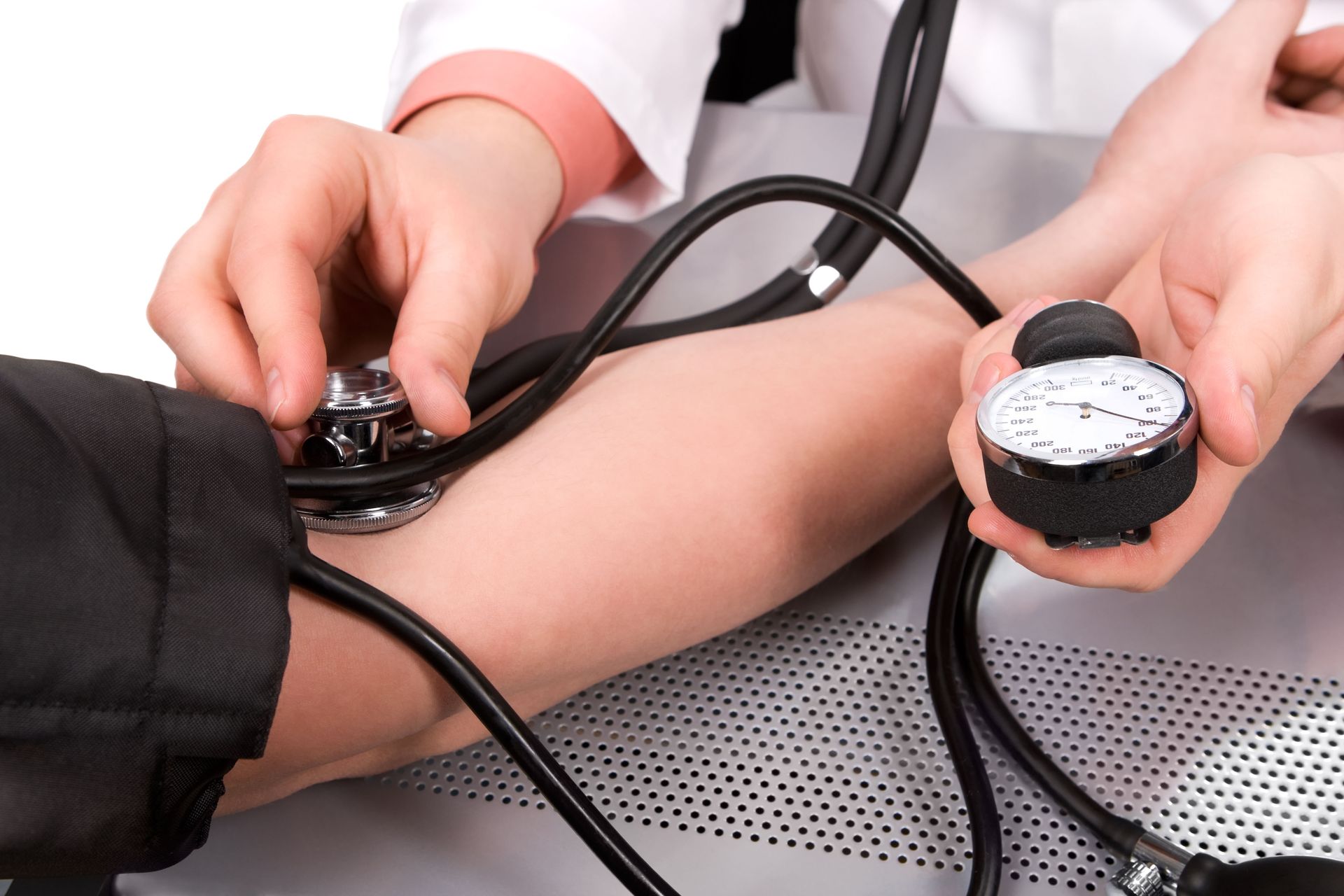
High blood pressure is a major risk factor for heart disease, stroke, and kidney problems. While many people manage hypertension with lifestyle changes and medication, some cases remain difficult to control despite treatment. Persistent high readings may signal underlying heart or vascular conditions.
Cardiologists specialize in managing complex hypertension and identifying secondary causes. They can adjust medications, recommend advanced testing, and help reduce long-term cardiovascular risk. Partnering with local cardiologists ensures ongoing monitoring and tailored strategies for blood pressure control.
Addressing Swelling in the Legs, Ankles, or Feet
Swelling in the lower extremities, known as edema, can occur for many reasons, including prolonged sitting or standing. However, chronic or worsening swelling may indicate heart failure or circulation issues. When the heart cannot pump blood effectively, fluid may accumulate in the tissues.
This symptom is often accompanied by weight gain, shortness of breath, or fatigue. A cardiologist can evaluate heart function and determine whether fluid retention is related to cardiac health. Early intervention can help prevent progression and improve quality of life.
Responding to Dizziness, Lightheadedness, or Fainting
Episodes of dizziness or fainting should always be taken seriously, especially when they occur repeatedly or without warning. These symptoms may result from abnormal heart rhythms, low blood pressure, or structural heart problems that reduce blood flow to the brain.
Cardiologists use specialized testing to uncover the cause of these episodes and reduce the risk of injury or serious complications. If you’ve experienced unexplained fainting or near-fainting, consulting local cardiologists can help clarify the cause and guide treatment.
Recognizing Risk Factors That Warrant Preventive Care
Even without symptoms, certain risk factors increase the likelihood of heart disease and justify seeing a cardiologist. These include a family history of heart disease, diabetes, high cholesterol, smoking, obesity, and a sedentary lifestyle. Age and gender can also influence risk.
Preventive cardiology focuses on identifying issues before they become serious. Regular checkups, screening tests, and lifestyle guidance can significantly reduce future complications. According to the CDC, in the United States, someone has a heart attack every 40 seconds. This statistic highlights the importance of proactive heart care rather than waiting for symptoms to appear.
Managing Existing Heart Conditions More Effectively
If you’ve already been diagnosed with a heart condition, ongoing care from a cardiologist is essential. Conditions such as coronary artery disease, heart failure, valve disorders, or previous heart attacks require specialized monitoring and treatment adjustments over time.
Cardiologists stay up to date with the latest therapies, medications, and procedures. Working closely with cardiologists allows for consistent follow-up, early detection of changes, and coordinated care with other healthcare providers.
Knowing When Primary Care Isn’t Enough
Primary care physicians play a vital role in overall health, but certain heart-related concerns require specialized expertise. If symptoms persist despite initial treatment or test results are unclear, a cardiologist can provide deeper insight and advanced diagnostics.
Referral to a specialist doesn’t mean something is seriously wrong—it means ensuring the most accurate evaluation possible. Access to cardiologists makes it easier to transition from general care to specialized heart health management without unnecessary delays.
Taking Action When Symptoms Appear Suddenly
Some heart symptoms develop gradually, while others appear suddenly and require immediate attention. Sudden chest pain, severe shortness of breath, fainting, or pain radiating to the arm, jaw, or back should never be ignored. These may indicate a medical emergency.
Prompt evaluation by emergency services and follow-up with a cardiologist can be lifesaving. Establishing care with local cardiologists ahead of time can also streamline follow-up and recovery if urgent issues arise.
Building a Long-Term Relationship With a Heart Specialist
Seeing a cardiologist isn’t just about addressing immediate concerns—it’s about long-term heart health. Regular visits help track changes, manage risk factors, and adjust treatment plans as needed. This ongoing relationship supports better outcomes and greater confidence in your care.
Cardiologists offer the advantage of accessibility, continuity, and familiarity with community healthcare resources. Building trust with a specialist can make it easier to address concerns early and maintain heart health over the years.
Making Informed Decisions About Your Heart Health
Heart health is not something to postpone or ignore. Partnering with local cardiologists helps ensure your heart receives the specialized care it deserves. If you are considering visiting a cardiologist, contact Advanced Cardiology and Vein Center of South Jersey today to learn more and schedule an appointment!









Share On: