
Understanding Peripheral Artery Disease and How a Vein Doctor Can Help
Peripheral artery disease (PAD) is a serious yet often overlooked condition that affects millions of adults across the country. Characterized by narrowed arteries that reduce blood flow to the limbs, PAD can significantly impact mobility, comfort, and long-term health. Many individuals do not recognize early symptoms and may mistake them for typical signs of aging, fatigue, or arthritis. Early detection and proper treatment are essential for preventing complications, improving circulation, and enhancing quality of life. One of the most effective ways to ensure accurate diagnosis and appropriate care is by seeking support from a qualified vein doctor who specializes in vascular health.
PAD is more common than many people realize. According to the CDC, about 6.5 million adults in the United States have peripheral artery disease, a condition often treated by vein doctors and cardiologists. This statistic highlights the importance of increased awareness, timely testing, and professional intervention. In this blog, we will break down what PAD is, explore its causes and symptoms, discuss treatment approaches, and explain how a vein doctor plays a critical role in managing this condition.
Understanding the Causes of Peripheral Artery Disease
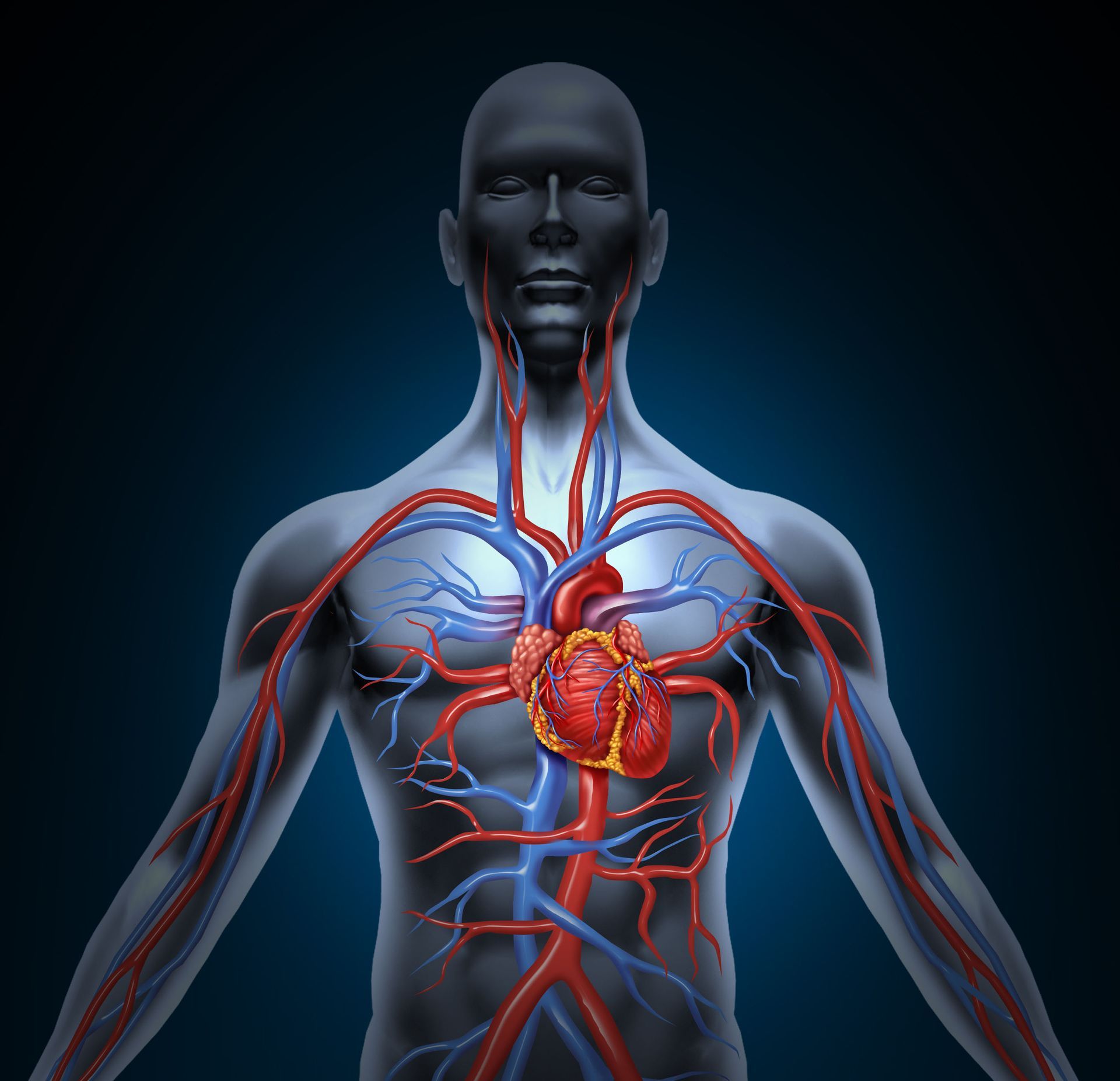
Peripheral artery disease develops when fatty deposits called plaque build up in the arterial walls, causing them to narrow or harden. This process, known as atherosclerosis, limits blood flow and prevents oxygen-rich blood from reaching the legs and feet. While PAD primarily affects the lower extremities, the underlying vascular issues may also signal risk factors for heart attack or stroke.
Several factors contribute to the development of PAD. Smoking is one of the strongest risk factors because it directly damages the arteries and accelerates plaque buildup. Diabetes significantly increases the likelihood of developing PAD by contributing to arterial inflammation and nerve damage. High cholesterol, high blood pressure, and obesity also play major roles in weakening blood vessels and limiting circulation. Aging naturally elevates risk as well, especially after age 60.
A vein doctor can help determine the root causes of PAD through comprehensive examinations and diagnostic tests. These specialists assess lifestyle habits, medical history, and existing conditions to create a personalized plan for improving vascular health. By understanding the underlying factors, patients can take meaningful steps toward prevention and long-term well-being.
Recognizing the Symptoms of Peripheral Artery Disease
One of the challenges with PAD is that symptoms often develop gradually and may be easy to ignore. The most common early sign is intermittent claudication, which is a cramping or aching pain in the legs that occurs during physical activity and eases with rest. This discomfort is caused by reduced blood flow and the muscle's inability to receive adequate oxygen during exertion.
Other symptoms include leg numbness, weakness, or heaviness, especially after walking. Individuals may notice slower wound healing on the feet or legs due to decreased circulation. Hair loss, brittle toenails, and shiny or discolored skin can also indicate reduced blood flow. In more advanced cases, patients may experience persistent foot pain even while resting, which can signal a more severe blockage.
A vein doctor is trained to identify these warning signs and differentiate them from conditions with similar symptoms, such as arthritis or neuropathy. Early diagnosis is essential because untreated PAD can progress to critical limb ischemia. This condition can lead to severe infections or even amputation. With timely evaluation, patients can begin treatments that restore circulation and protect long-term limb health.
Identifying Risk Factors Through Diagnostic Testing
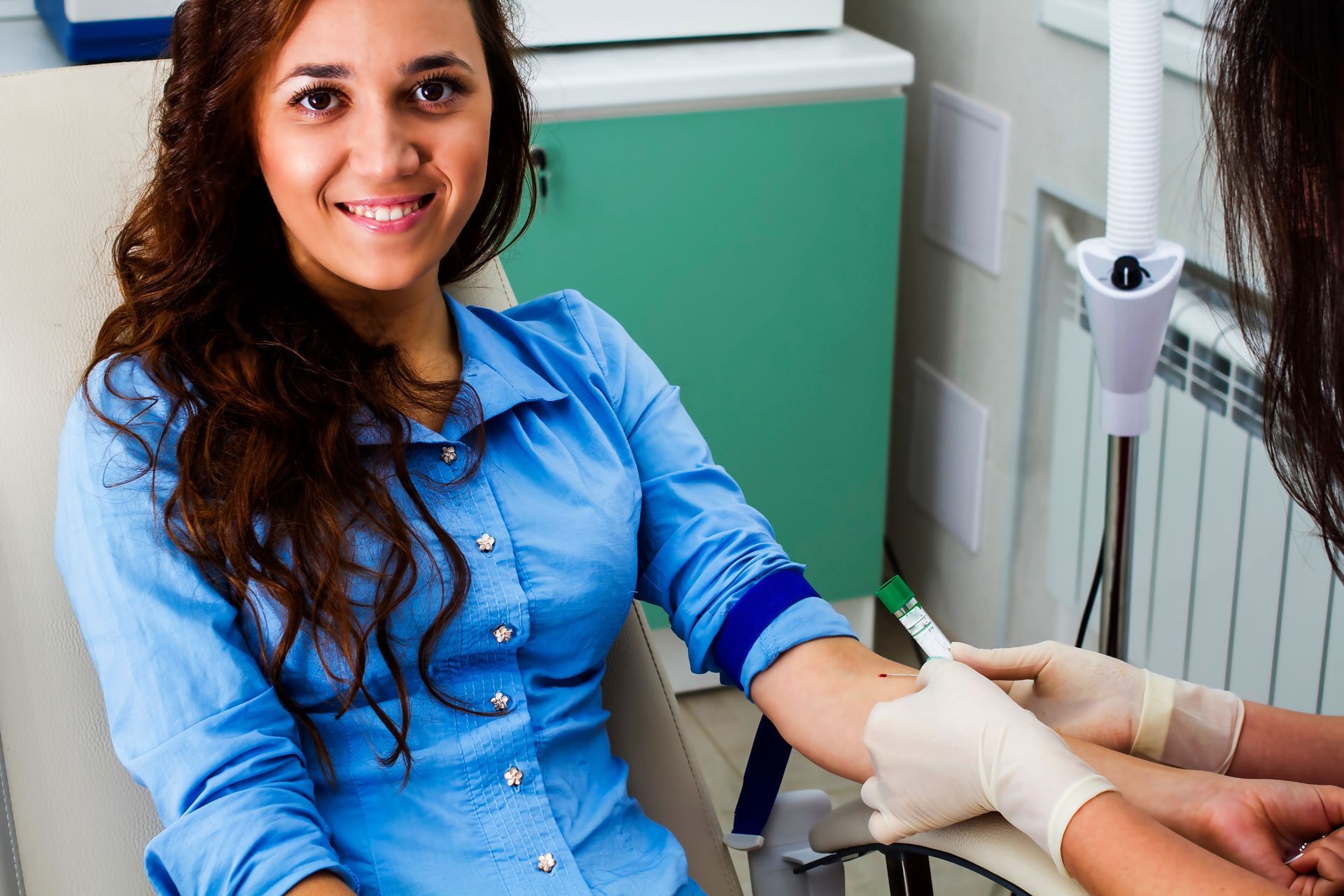
When someone visits a vein doctor with concerns about leg pain or circulation, the diagnostic process typically begins with a physical exam and a review of symptoms. One of the most common tools used to detect PAD is the ankle-brachial index (ABI), a simple test that compares blood pressure readings in the arm and ankle. Low ABI readings indicate restricted blood flow and may signal the presence of arterial blockages.
Ultrasound imaging, particularly Doppler studies, allows the physician to visualize blood movement through the arteries and identify narrowed or obstructed areas. In more complex cases, a vein specialist may recommend CT angiography or MR angiography for a detailed three-dimensional view of the vascular system.
These diagnostic tools are essential for determining the severity of PAD and outlining the best course of treatment. A vein doctor combines advanced technologies with clinical expertise to develop individualized treatment plans that address both symptoms and underlying causes. Early detection through comprehensive testing often leads to more effective outcomes and reduces the likelihood of complications.
Exploring Treatment Options for Peripheral Artery Disease
Treatment for PAD varies depending on the severity of the condition and the patient's overall health. In the early stages, lifestyle modifications often play a key role in improving circulation. Smoking cessation is one of the most impactful steps a patient can take because tobacco use directly contributes to arterial damage. Regular exercise, particularly structured walking programs, helps strengthen the muscles and stimulate blood flow to the legs.
Medication may also be prescribed to help manage symptoms and reduce risks. These may include drugs that lower cholesterol, control blood pressure, or prevent blood clots. In more advanced cases, procedures such as angioplasty or stent placement may be recommended to widen the narrowed arteries and improve blood flow. Severe cases may require bypass surgery to reroute blood around blocked arteries.
A vein doctor works closely with patients to determine the most effective combination of treatments. They evaluate how well the patient responds to initial therapies and adjust the plan as needed. Whether through minimally invasive procedures or ongoing medical management, these specialists provide essential support in restoring vascular function and enhancing mobility.
Understanding the Role of a Vein Doctor in Managing PAD
A vein doctor plays a central role in diagnosing, treating, and monitoring peripheral artery disease. Their specialized training in vascular conditions allows them to recognize subtle symptoms that others may overlook. Beyond diagnosing PAD, they guide patients through lifestyle improvements, medication adjustments, and procedural options that promote better circulation.
Education is another key component of their care. Many individuals are unaware of the connection between overall cardiovascular health and leg symptoms. Vein specialists help patients understand their condition, learn how to manage risk factors, and make informed treatment decisions. They also provide long-term monitoring to ensure the condition does not progress or lead to complications.
Because PAD is a chronic condition, establishing a relationship with a skilled vein doctor can significantly improve a patient's long-term health. Continuous follow-up care ensures that symptoms are managed effectively and that patients remain proactive about their vascular wellbeing.
Preventing Peripheral Artery Disease Through Lifestyle and Medical Care
Prevention is a vital part of managing PAD, especially for individuals with known risk factors such as diabetes, smoking, or a family history of vascular disease. Engaging in regular physical activity, adopting a heart-healthy diet, and maintaining a healthy weight all contribute to improved blood vessel health. Monitoring blood pressure, cholesterol levels, and blood sugar can also help prevent arterial damage.
Working with a vein doctor allows patients to receive personalized preventative care. These specialists provide guidance on maintaining healthy circulation and reducing the likelihood of disease progression. By addressing risk factors early and committing to long-term lifestyle changes, patients can significantly reduce their chances of developing severe PAD or related complications.
Peripheral artery disease is a serious vascular condition that requires early recognition, proper diagnosis, and professional management. With millions of adults affected and many unaware that their symptoms may be related to circulation issues, it is crucial to seek medical support when signs first arise. A skilled vein doctor can help diagnose PAD, develop tailored treatment strategies, and provide ongoing monitoring to protect long-term vascular health. If you are concerned about PAD symptoms or want to take a proactive approach to your vascular wellbeing, reach out to Advanced Cardiology and Vein Center of South Jersey today for expert guidance and compassionate care.








Share On: