
Consulting Cardiologists to Protect Against Stroke Risks
The importance of consulting with cardiologists plays a crucial role in minimizing stroke risks. Understanding the various risk factors, preventive measures, and ongoing management strategies are integral areas that contribute to cardiovascular health. Consider these helpful tips from professional cardiologists about how you can protect yourself against stroke risks and watch out for your health in the long run.
Causes and Consequences of Strokes
Stroke remains one of the leading causes of severe long-term disability in adults, and its impacts on health systems worldwide are immense. A stroke occurs when blood flow to a part of the brain is interrupted or reduced, preventing brain tissue from getting oxygen and nutrients. Within minutes, brain cells begin to die, highlighting the critical need for timely intervention and comprehensive prevention strategies.
There are primarily two types of strokes: ischemic, which is caused by a blockage, and hemorrhagic resulting from bleeding in the brain. Each type has distinct underlying causes, such as atherosclerosis or hypertension, necessitating tailored interventions and management by healthcare professionals. Furthermore, the transient ischemic attack (TIA), often called a "mini-stroke," is a significant warning sign that should never be ignored, as it may precede a more severe stroke.
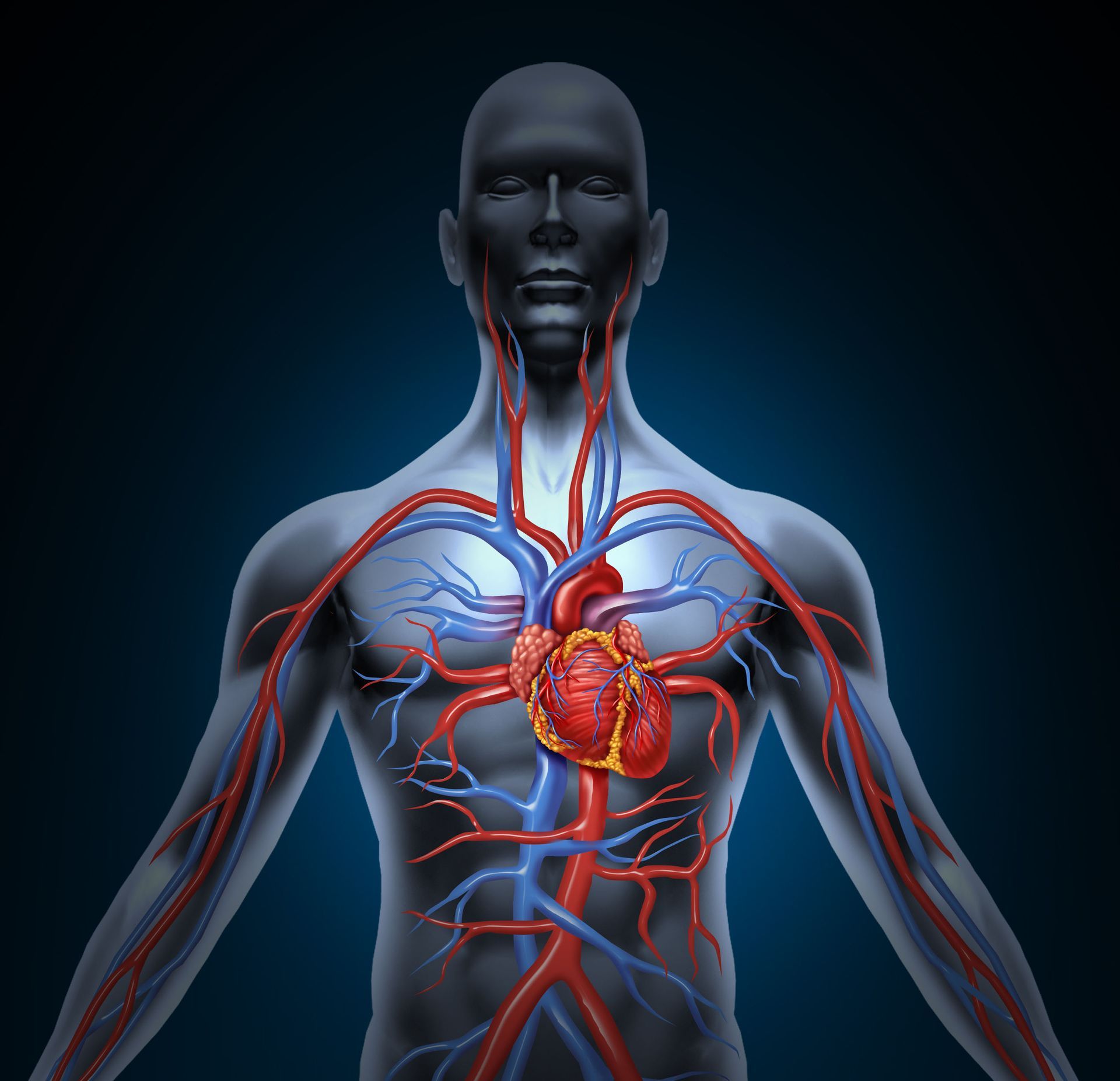
The role of cardiologists in diagnosing and managing strokes is increasingly recognized as vital, given the overlap between heart health and stroke risk. Cardiologists often lead the multidisciplinary teams involved in patient evaluation, leveraging their expertise to assess heart conditions contributing to stroke. According to the Journal of the American College of Cardiology (JACC), stroke affects nearly 7.8 million adults in the United States, underscoring the critical need for cardiological expertise in its prevention and management.
Risk Assessment and Early Detection
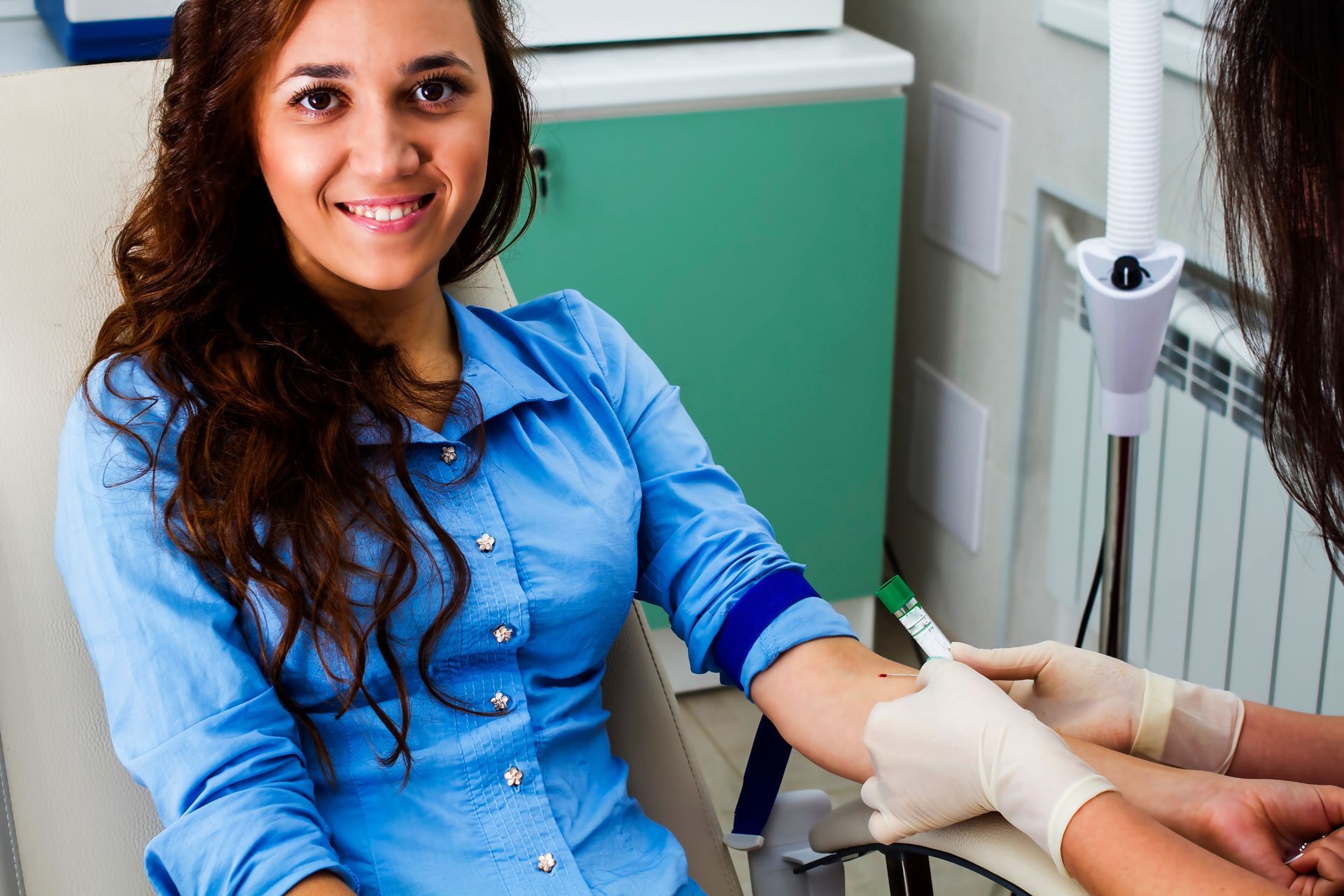
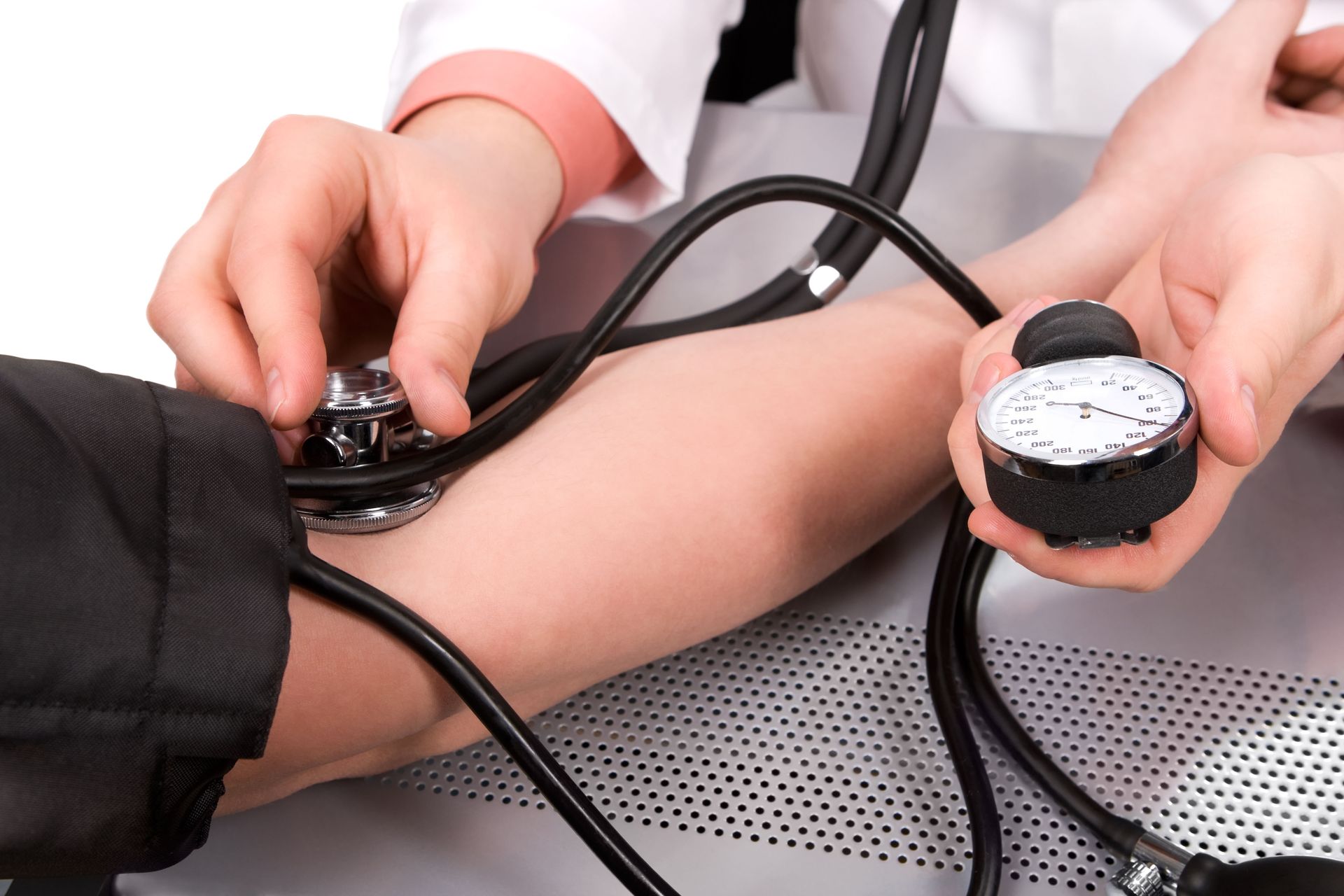
Identifying those at risk of stroke and intervening early are essential to minimizing its impact. Cardiologists emphasize the importance of regular screenings to detect potential stroke risks, especially for those with a family history of cardiac events. These screenings often include blood pressure measurements, cholesterol levels, and glucose tolerance tests, among others.
Among the common diagnostic techniques utilized by cardiologists are echocardiograms, carotid ultrasounds, and heart MRI scans. These tools allow for in-depth assessment of cardiovascular health, enabling personalized recommendations tailored to each patient's unique profile. With technological advancements, early detection has become more accurate, providing a critical window of opportunity for preventive measures.
Recognizing early symptoms of stroke, such as sudden confusion, trouble speaking, or numbness on one side of the body, can significantly influence outcomes. Cardiologists educate patients on these warning signs, empowering them to seek prompt medical attention. Moreover, personalized risk profiles are crafted, taking into account lifestyle factors, genetic predisposition, and existing medical conditions, ensuring a strategic approach to stroke prevention. Early intervention strategies may also include medication management and lifestyle modifications to further reduce risk. By staying proactive and informed, patients can play a vital role in safeguarding their long-term cardiovascular health.
Lifestyle and Medical Interventions
Prevention is a cornerstone of stroke management, with cardiologists advocating for significant lifestyle modifications to reduce risk. Dietary recommendations emphasize the importance of a heart-healthy diet rich in fruits, vegetables, whole grains, and lean proteins. Reducing sodium and trans fat intake further supports vascular health and decreases stroke risk.
Exercise and physical activity are critical components of a stroke prevention plan. Cardiologists often prescribe tailored exercise regimens to improve cardiovascular fitness, boost circulation, and maintain healthy body weight. Notably, even moderate, consistent physical activity is associated with a significant reduction in stroke incidence, promoting long-term health and wellness.
Managing medical conditions effectively, such as hypertension and diabetes, is also crucial. Cardiologists focus on medication management and lifestyle interventions to control blood pressure and blood sugar levels, reducing potential stroke risk factors. Additionally, cardiologists provide resources and support for smoking cessation and substance abuse avoidance, essential strategies in stroke prevention.
Ongoing and Long-Term Cardiac Care
Continuous monitoring of cardiovascular health is imperative in the fight against stroke. Cardiologists recommend regular evaluations, leveraging both traditional check-ups and new monitoring technologies to track the progress of heart health. Such consistency allows for timely adjustments in treatment plans, addressing potential issues before they escalate.
Specialist consultations play a crucial role in comprehensive cardiac care, with cardiologists coordinating with other healthcare providers. This interdisciplinary approach ensures a holistic view of patient health, facilitating precise interventions and comprehensive management plans. Cardiologists are often at the forefront of integrating new technological advancements, such as telemedicine, into routine care, enhancing accessibility and efficiency.
Patient education is an essential pillar of ongoing cardiac care, empowering individuals to actively participate in their health management. Cardiologists develop patient support programs that focus on education, lifestyle changes, and adherence to treatment protocols. Building a long-term cardiovascular health plan with a cardiologist's guidance extends beyond immediate disease management, integrating preventive measures that safeguard health over the long term.
Collaborations and Advancements in Healthcare
An interdisciplinary team approach to stroke prevention is vital for comprehensive care. Cardiologists frequently collaborate with neurologists, endocrinologists, nutritionists, and other specialists to address every aspect of a patient's health that might influence stroke risk. This collaboration often leads to innovative prevention strategies and more individualized patient care paths.
Partnerships with neurologists and other specialists provide critical insights into how broader systemic issues might lead to or exacerbate stroke risks. Such partnerships enable the identification of complex clinical patterns that might not be evident when viewed through the lens of a single discipline. Together, these experts work to construct a coordinated care plan that addresses both heart and brain health, tackling potential risk factors head-on.
Community health initiatives also play a significant role in stroke prevention, with cardiologists often at the helm. Through outreach programs, workshops, and public education, cardiologists support broad initiatives to reduce stroke incidence. Moreover, leveraging data and incorporating telemedicine tools enhance the delivery of care and medical advice, enabling cardiologists to reach more patients effectively and efficiently.
Case Studies and Success Stories
Exploring individual patient journeys provides valuable insights into the effectiveness of cardiologist-led stroke prevention initiatives. These case studies highlight the personalized nature of cardiovascular care, showcasing how early intervention, lifestyle adjustments, and medical treatments culminate in successful outcomes. Through these stories, the transformative power of proactive cardiac care becomes evident.
Innovative approaches to stroke prevention, pioneered by cardiologists, have demonstrated significant reductions in stroke incidence in certain populations. Programs that integrate cutting-edge technology, early diagnostics, and patient-reported outcomes provide a roadmap for effective stroke prevention strategies. These initiatives illustrate the tangible impact of concerted efforts in reducing the burden of stroke on both individuals and healthcare systems.
The impact of timely medical intervention is pronounced, as demonstrated in numerous success stories involving rapid response to stroke symptoms. Prompt actions, guided by cardiological expertise, can drastically alter patient outcomes, minimizing long-term consequences. These cases serve as powerful testimonials to the importance of widespread education on the signs and symptoms of stroke, advocating for immediate medical evaluation.
Effective prevention of stroke requires comprehensive assessment, timely intervention, and continuous management by
cardiologists. Ongoing collaboration, patient involvement, and advances in cardiac care technology are vital components in reducing stroke risks. The dedication and expertise of consulting cardiologists pave the way for improved cardiovascular health and prevention of stroke-related health concerns. To learn more about how you can prevent or handle a stroke, reach out to the Advanced Cardiology and Vein Center of South Jersey, and see what we can do for you.







Share On: