
How Cardiologists Help Prevent Heart Disease
Heart disease remains a leading cause of death worldwide, affecting millions of families and placing an immense burden on global healthcare systems. Understanding how a cardiology doctor can contribute to the prevention of heart disease is crucial in mitigating risk and improving long-term wellness. The importance of this work is underscored by the need to address the staggering reality that, according to the CDC, one person dies every 34 seconds from cardiovascular disease. This article explores the various roles, diagnostic strategies, and lifestyle interventions employed by specialists to keep hearts beating strong and healthy for years to come.
The Essential Partnership Between Patients and Specialists
Think of your heart as the high-performance engine of your body. Just as you wouldn’t wait for your car to break down on a busy highway before seeing a mechanic, you shouldn't wait for a health crisis to speak with a professional. A cardiology doctor possesses an in-depth understanding of the complex cardiovascular system, which is essential for staying ahead of potential issues. They study the intricate anatomy of the heart and blood vessels to identify early warning signs that might otherwise go unnoticed during a standard checkup. This expertise enables them to intervene before serious complications develop, transforming the approach to heart health from reactive to proactive.
When you enter into a partnership with a specialist, you are gaining an advocate who understands the nuances of blood flow, electrical signals, and structural integrity. They don't just look at a single data point; they look at the entire picture of how your body functions. By keeping abreast of the latest scientific research, these professionals are well-equipped to apply cutting-edge knowledge to your specific situation.
Identifying Modern Risk Factors for Long-Term Health
When you sit down for a consultation, the conversation usually starts with a deep dive into your history and current lifestyle. Experts play a crucial role in identifying risk factors that can be classified into modifiable and non-modifiable categories. Modifiable factors include your daily habits—what you eat, how much you move, whether you manage your stress, and your history with tobacco or alcohol. Non-modifiable factors are things you cannot change, such as your genetics, age, and family history. By assessing these unique details, a cardiology doctor can provide a roadmap to help you navigate your specific risks and vulnerabilities.
It is easy to overlook small habits, but over time, they accumulate into significant health markers. A specialist helps you see the forest through the trees, pointing out how seemingly minor issues like slightly elevated blood pressure or a sedentary work week can impact your arteries over a decade. By knowing which levers to pull, you can significantly alter your health trajectory. This identification process isn't about judgment; it’s about empowerment.
Developing Personalized Prevention Plans for Every Lifestyle
No two hearts are exactly alike, and that means a "one size fits all" approach rarely works in modern medicine. Personalized prevention plans are tailored strategies designed to address the unique needs and goals of each person. These plans take into consideration your medical history, your current physical state, and even your personal preferences and cultural background. By developing these customized plans, a cardiology doctor can set achievable goals that actually fit into your real life. Whether you are a busy professional, a stay-at-home parent, or an athlete, your prevention strategy should reflect your reality.
This individualized approach significantly increases the likelihood of success because you are more likely to stick to a plan that feels built for you rather than a generic checklist found in a magazine. These plans might include specific dietary shifts, a tiered exercise program, or strategies for managing a high-pressure career. By breaking down the daunting task of "preventing heart disease" into manageable, daily actions, the process becomes less overwhelming.
Utilizing Advanced Diagnostic Tools for Early Detection
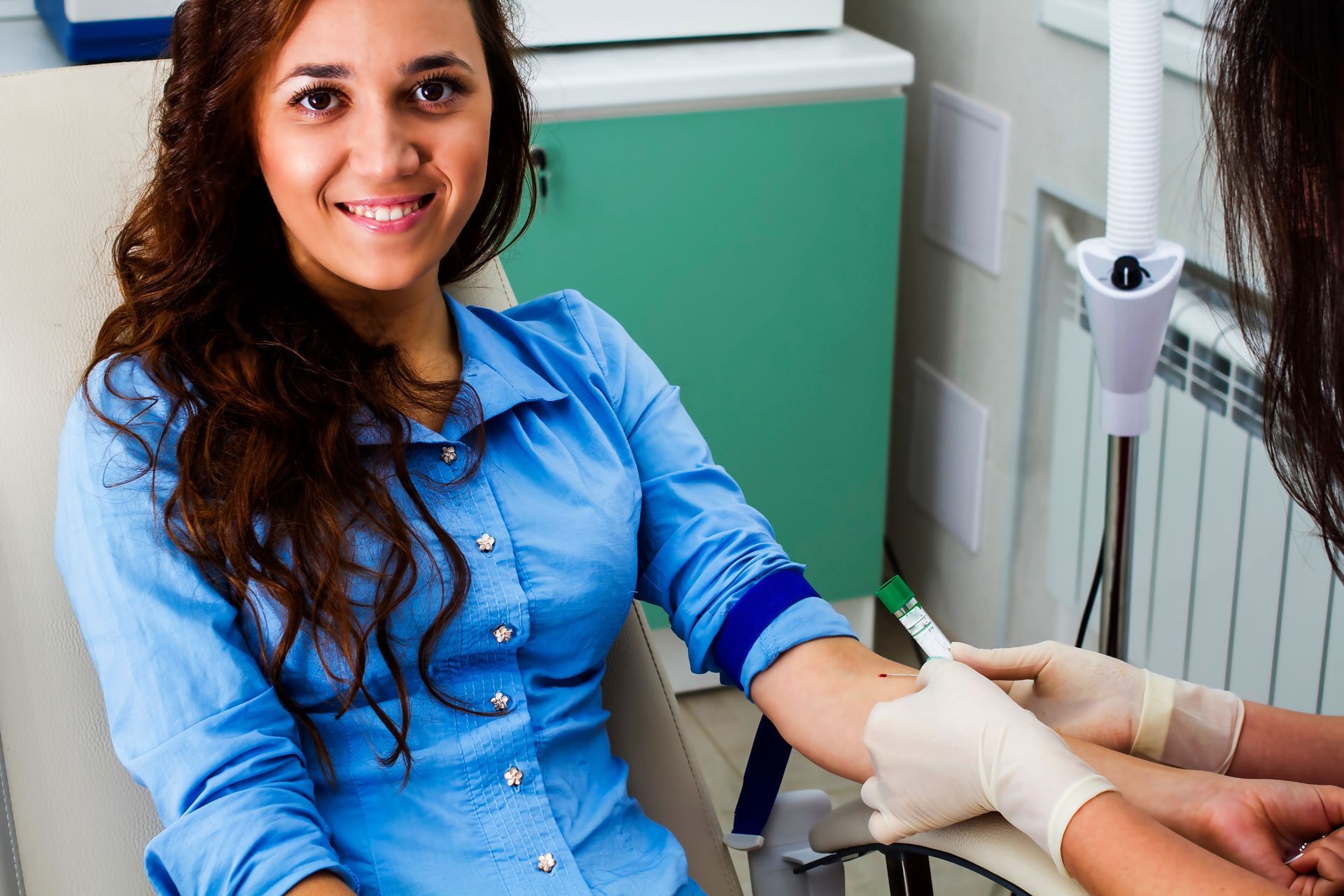
Modern medicine has given us incredible windows into the human body that were unimaginable just a generation ago. Advanced imaging and diagnostic techniques are critical tools that a cardiology doctor uses to assess how well your heart is performing under various conditions. Tools like echocardiograms, which use sound waves to create images of the heart, or stress tests, which monitor how the heart handles physical exertion, provide detailed data regarding structural integrity and blood flow. This allows for the detection of abnormalities long before they cause physical symptoms or permanent damage.
Using these tools helps in making accurate diagnoses and planning the right interventions at the right time. For example, a calcium score or a detailed lipid panel can reveal the early stages of plaque buildup in the arteries. By identifying these issues early, treatments can be far less invasive and much more effective. The ability to visualize the heart in detail is a game-changer for early detection, moving the needle from treating a disease to preventing its onset entirely. These diagnostics are the "early warning system" that saves lives every day.
Managing Medications and Supporting Internal Balance
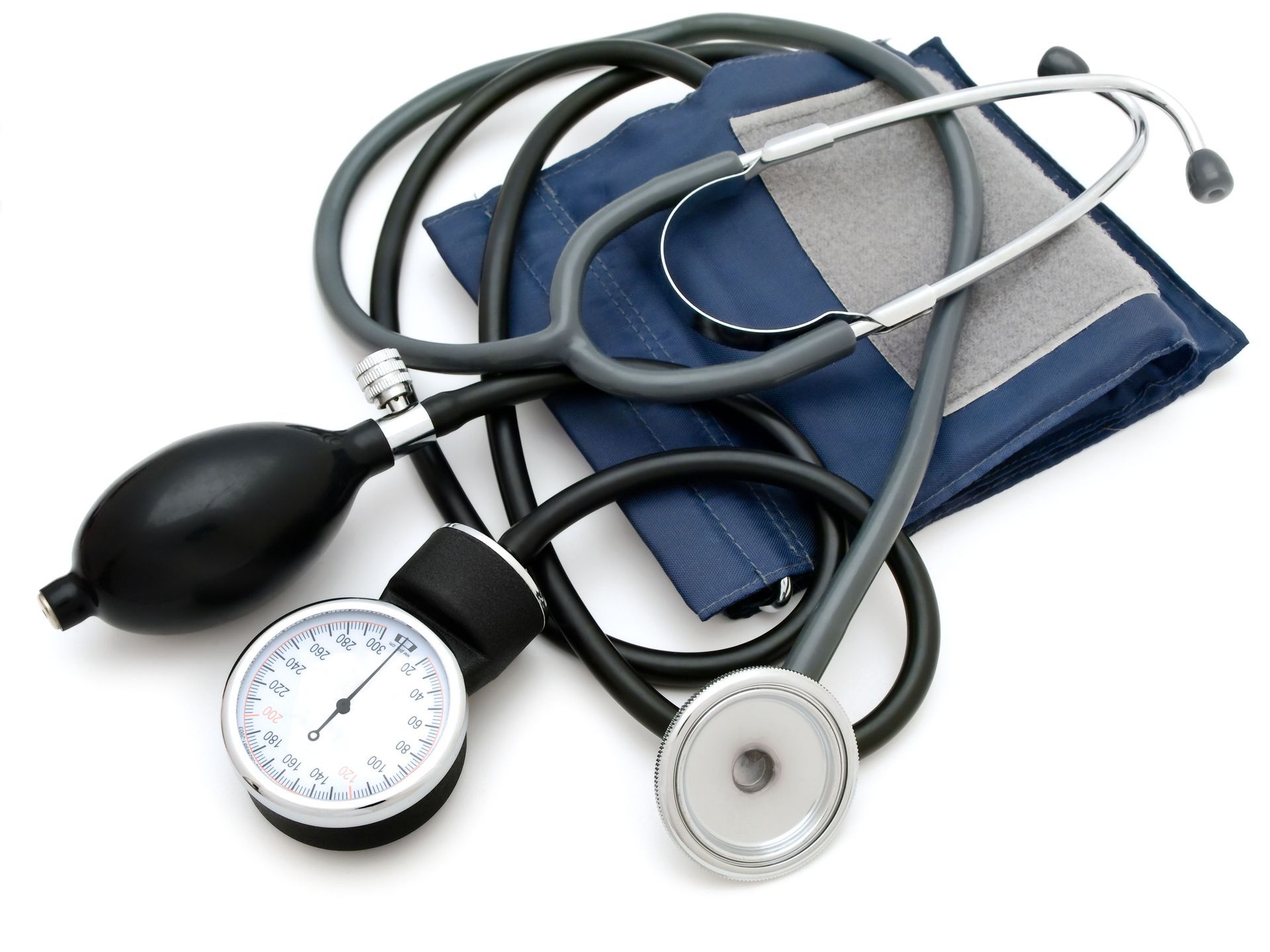
Sometimes, even the best lifestyle changes need a little extra help from pharmaceutical science. Prescribing lipid-lowering agents, such as statins, or blood pressure medications is a common and effective way to manage cardiovascular risk. A cardiology doctor evaluates your specific cholesterol profiles and blood pressure readings to determine if medication is the right path for your specific biology. By controlling these factors, these treatments can prevent the progression of plaque buildup and significantly reduce the risk of heart attacks and strokes.
Managing these medications is a delicate balance that requires ongoing monitoring and adjustment. It isn't just about writing a prescription; it's about checking in to see how your body is responding and ensuring that any side effects are addressed immediately. This careful management ensures that you gain the maximum protective benefit from modern therapies while maintaining a high quality of life. When used in conjunction with a healthy diet and exercise, medication can be a powerful ally in the fight against cardiovascular disease, providing a safety net for those with a high genetic risk or existing conditions.
Adopting Innovative Technologies in Daily Heart Care
The field of medicine is moving faster than ever, and new technology is making it easier for patients to stay connected to their care teams. From wearable devices that track your heart rate and rhythm throughout the day to telemedicine appointments that save you a trip to the office, these advancements are revolutionizing the way we think about heart care. A cardiology doctor is often at the forefront of adopting these tools, using real-time data to monitor heart conditions and catch irregularities as they happen, rather than waiting for your next annual exam.
The integration of technology into daily practice allows for quicker interventions and more consistent oversight. For instance, remote monitoring devices can alert a physician if a patient's blood pressure spikes or if their heart enters an irregular rhythm like atrial fibrillation. This level of connectivity makes preventive care more accessible to everyone, regardless of where they live or how busy their schedule might be. By embracing these innovations, we can move toward a world where heart health is monitored continuously, leading to better outcomes and a more responsive healthcare experience.
Engaging The Community Through Vital Health Education
Prevention shouldn't stay locked inside a doctor's office; it needs to be part of our daily conversations in the places where we live, work, and play. Community outreach, such as local health screenings and educational workshops, empowers people to take charge of their own health before they ever feel sick. When a cardiology doctor participates in these public initiatives, they help bridge the gap between complex medical science and everyday life. These efforts help raise awareness about the warning signs of heart issues and the simple, daily benefits of a heart-healthy lifestyle.
The commitment to preventive care is a testament to the dedication of those working to save lives and improve the well-being of countless individuals. Through a combination of personalized care, technological innovation, and community education, a cardiology doctor makes significant strides in combating the global burden of heart disease every single day. Continued progress in this field is essential to ensure that fewer people are affected by these conditions, allowing more of us to enjoy a long, healthy, and vibrant life. For more information on maintaining your heart health or to begin your own prevention plan, reach out to the Advanced Cardiology and Vein Center of South Jersey.








Share On: