

How Access to a Reliable Local Cardiologist Promotes Community Health
Heart health is a foundational component of overall well-being, yet it often does not receive consistent attention until symptoms become difficult to ignore. Communities benefit significantly when individuals have access to dependable cardiac care, especially from professionals who understand the unique health patterns, risks, and needs of the populations they serve. A local cardiologist plays a critical role in bridging the gap between early prevention and advanced medical intervention, ensuring that patients receive timely, personalized care.
The heart is an extraordinarily active organ, functioning continuously to sustain life. According to the World Heart Federation, it beats roughly 100,000 times per day and circulates up to 7,500 liters of blood throughout the body. This constant activity underscores the importance of maintaining cardiovascular health through regular monitoring and proactive care. When communities have access to a reliable cardiologist, individuals are more likely to engage in preventive practices and seek care before conditions escalate.
Strengthening Preventive Care Across Communities
Encouraging Early Detection and Routine Screenings
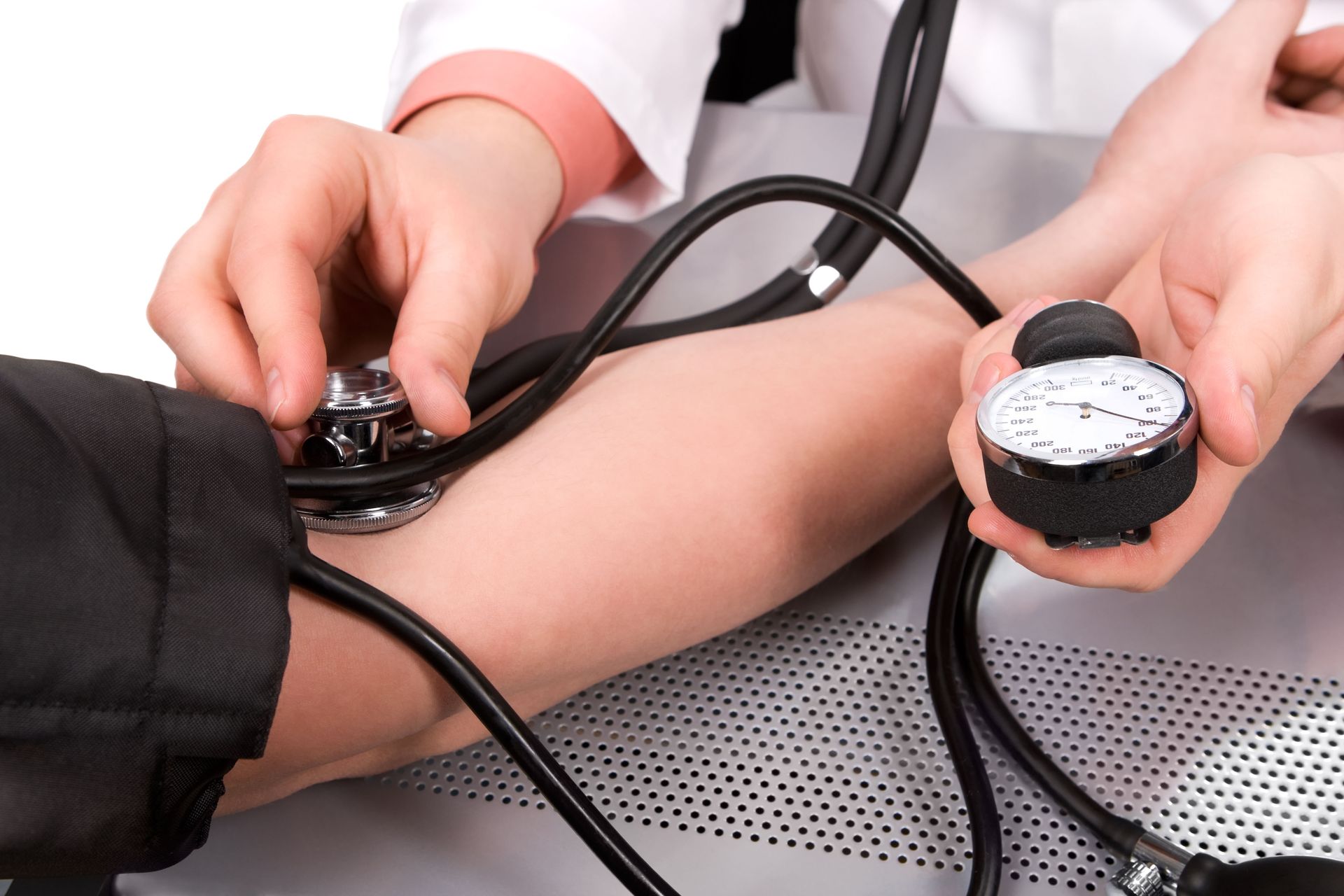
Preventive care serves as the cornerstone of effective cardiovascular health management. A local cardiologist provides patients with access to routine screenings that can identify risk factors such as high blood pressure, elevated cholesterol levels, and irregular heart rhythms. These assessments allow for early intervention, which can significantly reduce the likelihood of more severe complications later.
Patients who establish ongoing relationships with a dependable cardiologist are more likely to adhere to recommended screening schedules. Familiarity with a provider fosters rapport, which in turn encourages individuals to prioritize their health. Regular check-ups become less of an inconvenience and more of a standard component of self-care, benefiting both the individual and the broader community.
Promoting Education on Heart Health Risks
Education is another essential aspect of preventive care. A local cardiologist not only diagnoses and treats conditions but also equips patients with the knowledge needed to make informed lifestyle choices. This includes guidance on nutrition, physical activity, stress management, and the impact of habits such as smoking or excessive alcohol consumption.
When patients understand how their daily behaviors influence heart health, they are more likely to adopt healthier routines. Over time, this collective shift in behavior can lead to measurable improvements in community health outcomes. Reduced rates of cardiovascular disease translate to fewer hospitalizations, lower healthcare costs, and a more productive population.
Supporting At-Risk Populations With Targeted Care
Certain groups face higher risks of developing cardiovascular conditions due to genetic, environmental, or socioeconomic factors. A regionally based cardiologist is uniquely positioned to identify these at-risk populations and provide targeted interventions. By tailoring care plans to individual needs, providers can address disparities in health outcomes more effectively.
Targeted care may include more frequent monitoring, specialized diagnostic testing, or personalized treatment strategies. This level of attention ensures that vulnerable individuals receive the support they need to manage their health proactively. As a result, communities benefit from more equitable access to care and improved overall health metrics.
Enhancing Diagnosis and Treatment Accessibility
Providing Comprehensive Diagnostic Services
Accurate diagnosis is critical for effective treatment, and a local cardiologist offers access to a wide range of diagnostic tools that help identify cardiovascular issues with precision. These may include stress testing, heart rhythm monitoring, and vascular imaging. Each test provides valuable insights into how the heart functions under various conditions.
Having these services available within the community reduces the need for patients to travel long distances for care. This convenience increases the likelihood that individuals will complete recommended tests promptly, leading to faster diagnoses and more timely treatment. Early identification of conditions such as coronary artery disease or arrhythmias can significantly improve patient outcomes.
Delivering Personalized Treatment Plans
Every patient presents a unique set of health factors, and a local cardiologist develops treatment plans that reflect these individual differences. Personalized care considers medical history, lifestyle habits, and specific risk factors to create strategies that are both effective and sustainable.
Treatment may involve medication management, lifestyle modifications, or ongoing monitoring to track progress. By tailoring interventions to each patient, a personal cardiologist ensures that care is both relevant and practical. This approach increases adherence to treatment plans and enhances long-term health outcomes.
Ensuring Continuity of Care for Chronic Conditions
Cardiovascular conditions often require long-term management, making continuity of care essential. A local cardiologist provides consistent oversight, allowing for adjustments to treatment plans as needed. This ongoing relationship helps patients navigate the complexities of chronic conditions with greater confidence.
Continuity of care also enables providers to detect subtle changes in a patient's condition that may indicate the need for intervention. Regular follow-ups and monitoring create a comprehensive picture of a patient's health over time, leading to more informed decision-making. Communities benefit when individuals receive consistent, high-quality care that supports long-term wellness.
Building Stronger Patient-Provider Relationships
Establishing Relationships Through Accessibility
Rapport is a fundamental component of effective healthcare, and accessibility plays a significant role in building professional relationships. A cardiologist in your area is likely more readily available to patients, making it easier to schedule appointments, ask questions, and address concerns. This accessibility fosters open communication and strengthens the patient-provider relationship.
When patients feel comfortable discussing their symptoms and concerns, they are more likely to seek care early. This proactive approach reduces the risk of complications and improves overall health outcomes. Strong relationships between patients and providers contribute to a culture of health awareness within the community.
Offering Guidance During Critical Health Events
Cardiac events can be life-altering, requiring immediate and expert care. A cardiologist provides essential support during these critical moments, guiding patients through diagnosis, treatment, and recovery. This guidance helps patients understand their condition and take the necessary steps to improve their health.
In addition to medical treatment, patients often require emotional support and reassurance during challenging times. A dependable provider can offer both, helping individuals navigate the complexities of their condition with greater confidence. This comprehensive approach to care enhances recovery and promotes long-term health.
Encouraging Long-Term Engagement in Health Management
Sustained engagement in health management is key to preventing and controlling cardiovascular disease. A local cardiologist encourages patients to remain actively involved in their care through regular follow-ups, lifestyle adjustments, and ongoing education. This continuous engagement reinforces the importance of maintaining heart health over time.
Patients who stay connected with their provider are better equipped to manage their condition and respond to changes in their health. This proactive approach reduces the likelihood of complications and supports overall well-being. Communities benefit when individuals take an active role in their health, leading to improved outcomes and a higher quality of life.
Access to a reliable cardiologist is a critical factor in promoting community health. From preventive care and early detection to personalized treatment and long-term management, these professionals play a vital role in supporting cardiovascular wellness. Their presence within a community ensures that individuals have the resources and guidance needed to maintain their heart health effectively.
By fostering strong patient relationships, providing comprehensive care, and encouraging proactive health management, a local cardiologist contributes to healthier individuals and stronger communities. Prioritizing access to quality cardiac care is an investment in both individual well-being and the collective health of the population. This continued access to specialized cardiac expertise helps ensure that heart health remains a sustained priority rather than an occasional concern. If you're looking to start seeing an expert cardiologist, reach out to Advanced Cardiology and Vein Center of South Jersey.








Share On: