
Why Regular Visits to a Cardiologist Can Save Lives
Cardiovascular health is a critical aspect of overall well-being, yet it's often underestimated until a warning sign occurs. A cardiologist plays a paramount role in the preventative care and early detection of heart-related issues, acting as a gatekeeper to better heart health. According to the CDC, about one in 20 adults aged 20 and older has coronary artery disease, highlighting the importance of early specialist involvement. By visiting a cardiologist regularly, individuals can gain insights into their cardiovascular health and take necessary actions before potential problems escalate. Let's explore the manifold reasons why regular visits to a cardiologist can save lives and improve the quality of living.
Early Detection of Heart Diseases
Common Heart Diseases and Their Symptoms
Heart diseases encompass a variety of conditions that affect heart function, with coronary artery disease being the most prevalent. Symptoms such as chest pain, palpitations, dizziness, and fatigue are common indicators of heart issues. Each heart condition presents unique symptoms, sometimes overlapping with other health problems, which can complicate diagnosis. Recognizing early warning signs and seeking medical advice promptly can significantly alter disease progression. Educating patients about these symptoms is essential in promoting awareness and encouraging timely medical intervention.
Diagnostic Tests You Might Undergo
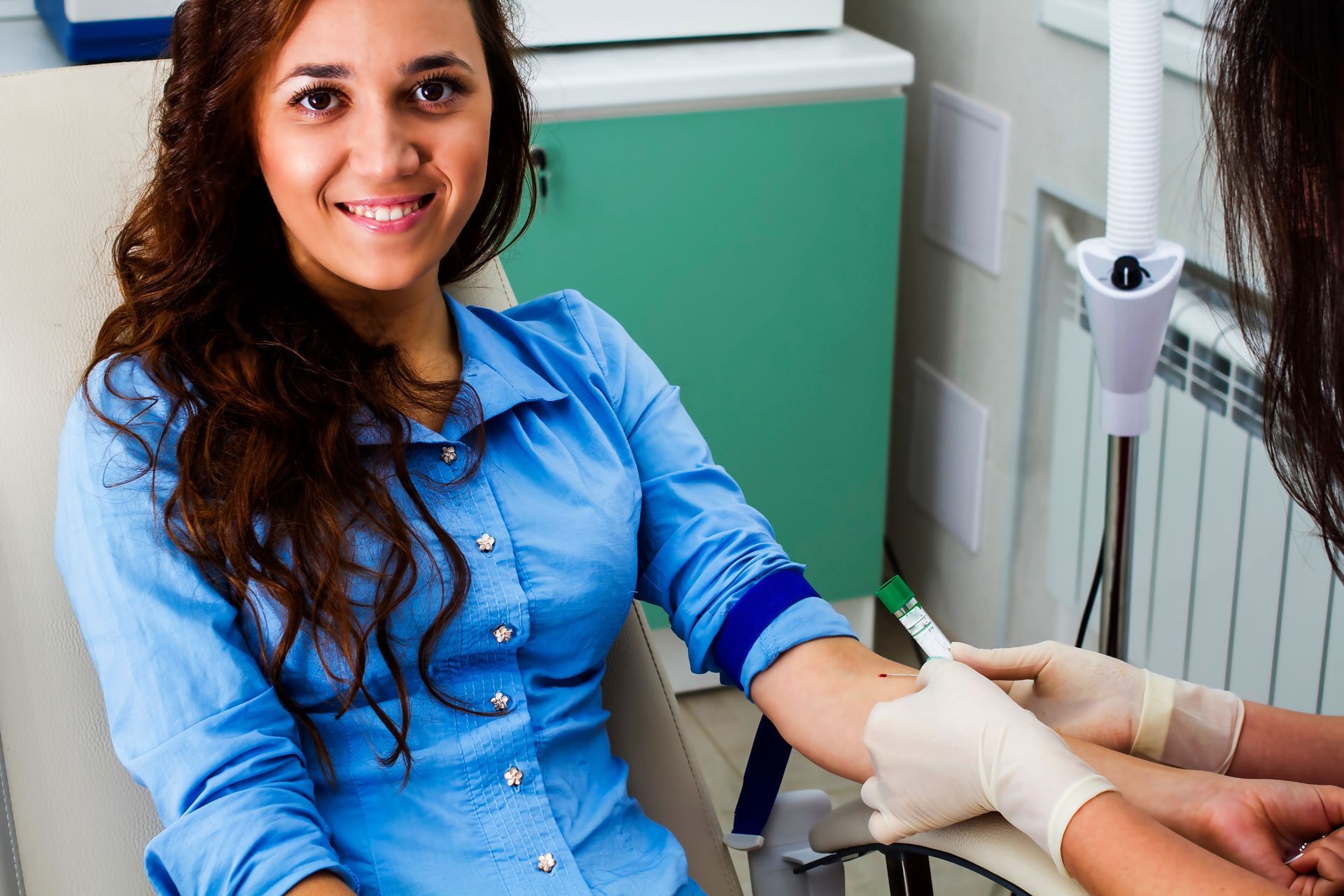
During a visit, cardiologists employ various diagnostic tests to evaluate heart function accurately. Tests such as an electrocardiogram (EKG) provide essential details on the heart's rhythm and electrical activity. An echocardiogram uses ultrasound to produce images of the heart, helping to assess its structure and identify any abnormalities. A stress test may evaluate how the heart performs under exercise, while blood tests can detect markers of heart disease risk. These diagnostic tools collectively enable a comprehensive assessment, aiding in detecting and mitigating potential heart problems early on.
How Early Detection Prevents Severe Complications
Early detection of heart disease is vital in preventing severe and life-threatening complications like heart attacks or strokes. Identifying risk factors or early stages of heart disease allows for timely management through lifestyle changes, medication, or procedures that could avert progression. Proactive interventions can minimize arterial damage, enhancing blood flow and reducing strain on the heart. Patients who receive an early diagnosis often experience better outcomes, with improved quality of life and increased longevity. A cardiologist will play a key role in this process, guiding patients towards preventive strategies and treatment options.
Preventive Measures and Lifestyle Adjustments
Diet and Nutrition Counseling
Diet plays a pivotal role in heart health, and cardiologists often provide personalized nutrition counseling to enhance cardiovascular outcomes. A heart-friendly diet typically includes high-fiber foods such as fruits, vegetables, and whole grains. It also emphasizes lean proteins and healthy fats while minimizing saturated fats, sugars, and sodium. Such dietary modifications can reduce cholesterol levels, lower blood pressure, and aid in weight management. Cardiologists often work with dietitians to create tailored nutrition plans targeting an individual's specific heart health needs.
Physical Activity Recommendations
Regular physical activity is a cornerstone of a heart-healthy lifestyle, with cardiologists providing tailored exercise recommendations. Aerobic exercises such as walking, cycling, or swimming strengthen the heart and improve cardiovascular fitness. Strength training can complement aerobic exercises by enhancing muscle mass and supporting metabolic health. A cardiologist will often advise on suitable activity levels based on an individual's fitness and health condition, ensuring safe implementation. Consistent physical activity not only enhances heart function but also helps manage weight and reduce stress.
Managing Stress and Mental Health
Stress and mental health significantly impact cardiovascular health, with chronic stress contributing to elevated blood pressure and heart disease risk. Cardiologists may emphasize stress management techniques such as mindfulness, meditation, or deep-breathing exercises. Incorporating mental health support, such as therapy or counseling, can further aid in managing stress and emotional well-being. Acknowledging and addressing stress is crucial, as it directly affects heart function and overall health. By integrating stress management strategies, individuals can enhance both mental and cardiovascular health.
Building a Heart-Healthy Lifestyle With Professional Guidance
Building a heart-healthy lifestyle involves a holistic approach that combines dietary changes, physical activity, stress management, and possibly medication. Cardiologists provide guidance and resources tailored to individual health needs, ensuring a sustainable heart health plan. This ongoing support and monitoring help patients make informed decisions and remain committed to their wellness journey. Professional intervention provides accountability and encouragement, empowering individuals to adopt and maintain healthy habits. Ultimately, with expert guidance, individuals can achieve sustained improvements in heart health, reducing the risk of severe cardiac conditions.
Monitoring Chronic Conditions
Managing Hypertension Effectively
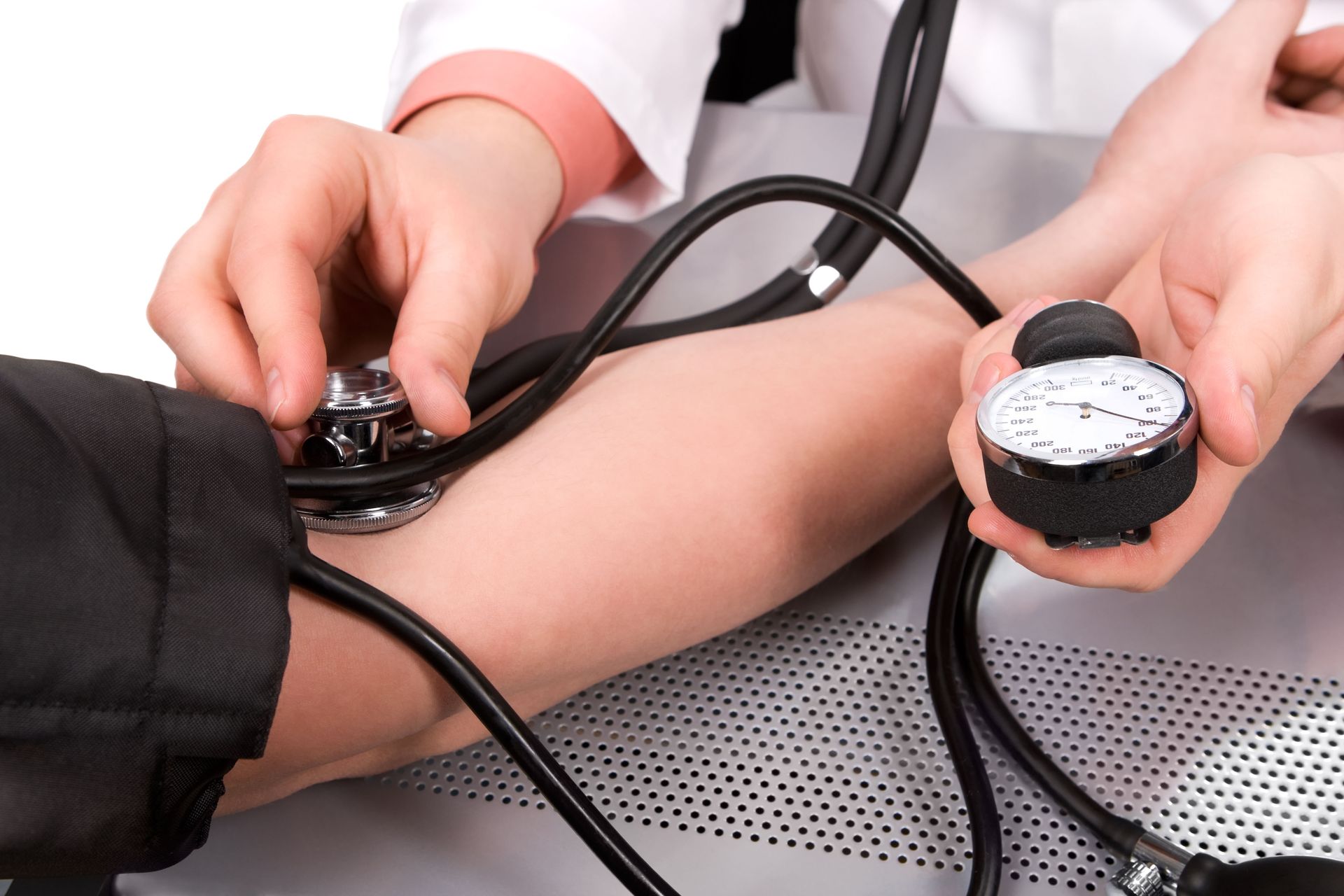
Hypertension, or high blood pressure, is a significant risk factor for heart disease, requiring diligent management. Regular monitoring and consistent medication adherence are crucial in keeping blood pressure levels within a healthy range. Lifestyle changes, such as reducing sodium intake and increasing physical activity, can also enhance blood pressure control. Cardiologists assist in developing personalized management plans, addressing both lifestyle factors and medical interventions. Effective hypertension management reduces the risk of heart attacks, strokes, and other cardiovascular complications.
Keeping Cholesterol Levels in Check
Maintaining healthy cholesterol levels is central to preventing plaque buildup in arteries, known as atherosclerosis, which can lead to heart attacks and strokes. Cardiologists often recommend a combination of lifestyle changes and medications, such as statins, to manage cholesterol levels. Regular lipid panel tests provide insights into whether interventions are successfully lowering LDL (bad) cholesterol while boosting HDL (good) cholesterol. Ongoing education about dietary choices, physical activity, and medication adherence supports patients in achieving optimal cholesterol levels. With consistent monitoring and proactive management, individuals can significantly reduce their cardiovascular risk.
Coping with Arrhythmias
Arrhythmias, or irregular heartbeats, can pose serious health risks and require effective management to ensure heart stability. Cardiologists identify the underlying causes of arrhythmias and tailor treatments such as medications or electrical cardioversion to regulate the heartbeat. Lifestyle modifications, like avoiding caffeine or alcohol, may help in managing certain types of arrhythmias. Continuous monitoring, potentially using devices like pacemakers, provides long-term management of chronic arrhythmias. Prompt recognition and treatment of arrhythmias minimizes the risk of complications and contributes to overall heart health.
Navigating Treatment Options
Understanding Your Treatment Plan
Understanding a treatment plan is a critical part of managing heart health, ensuring the patient is fully informed of their care strategy. Clear communication from a cardiologist provides insight into the rationale behind chosen interventions. Treatment plans often combine lifestyle adjustments with medical and procedural interventions tailored to the individual's health status. Patients are encouraged to engage in discussions, ask questions, and voice concerns regarding their treatment. A comprehensive understanding of the treatment plan empowers patients to actively participate in their health management.
Exploring Non-Invasive Procedures
Non-invasive procedures provide vital insights and therapeutic options for heart conditions without the need for surgery. Diagnostic tests such as CT scans or nuclear stress tests offer detailed information about heart function and structure. Therapeutic procedures, like cardiac ablation, can address arrhythmias by eliminating problematic heart tissue. A cardiologist may recommend these less invasive options based on the patient's specific heart condition, emphasizing that non-invasive techniques often entail shorter recovery times and fewer complications. By choosing the appropriate procedures, cardiologists optimize patient outcomes while minimizing intervention risks.
Empowering Patients Through Knowledge
Empowerment through knowledge is a vital component of patient-centered cardiac care. Educated patients are better equipped to make informed decisions regarding their heart health, increasing adherence to treatment plans. Cardiologists play a crucial role in providing clear educational resources and personalized insights. Empowered patients often experience greater satisfaction, engagement, and improved health outcomes. By fostering a collaborative environment, cardiologists enhance patient confidence and contribute to sustained heart health management.
Regular visits to a cardiologist are more than a routine medical appointment; they're a proactive investment in long-term health and quality of life. Through early detection, preventive care, and personalized treatment strategies, cardiologists help individuals understand their unique risk factors and take meaningful steps to protect their hearts. From managing chronic conditions to guiding lifestyle changes and empowering patients with knowledge, ongoing cardiac care supports better outcomes and greater peace of mind. By making heart health a priority and partnering with a cardiologist at Advanced Cardiology and Vein Center of South Jersey, you can reduce your risk of serious complications and build a stronger foundation for a healthier future. Reach out today to get started with our excellent care.








Share On: