

The Importance of Regular Checkups With Cardiologists for At-Risk Patients
In recent decades, cardiovascular diseases have emerged as a leading cause of mortality globally. The prevalence and complexity of these diseases underscore the importance of regular cardiologist visits, especially for individuals at risk. Preventive care is crucial in mitigating the onset and progression of heart-related conditions, enhancing both quality and longevity of life. Checkups with cardiologists can provide invaluable insights into heart health, ensuring that at-risk patients receive tailored care and guidance.
Early Detection of Diseases
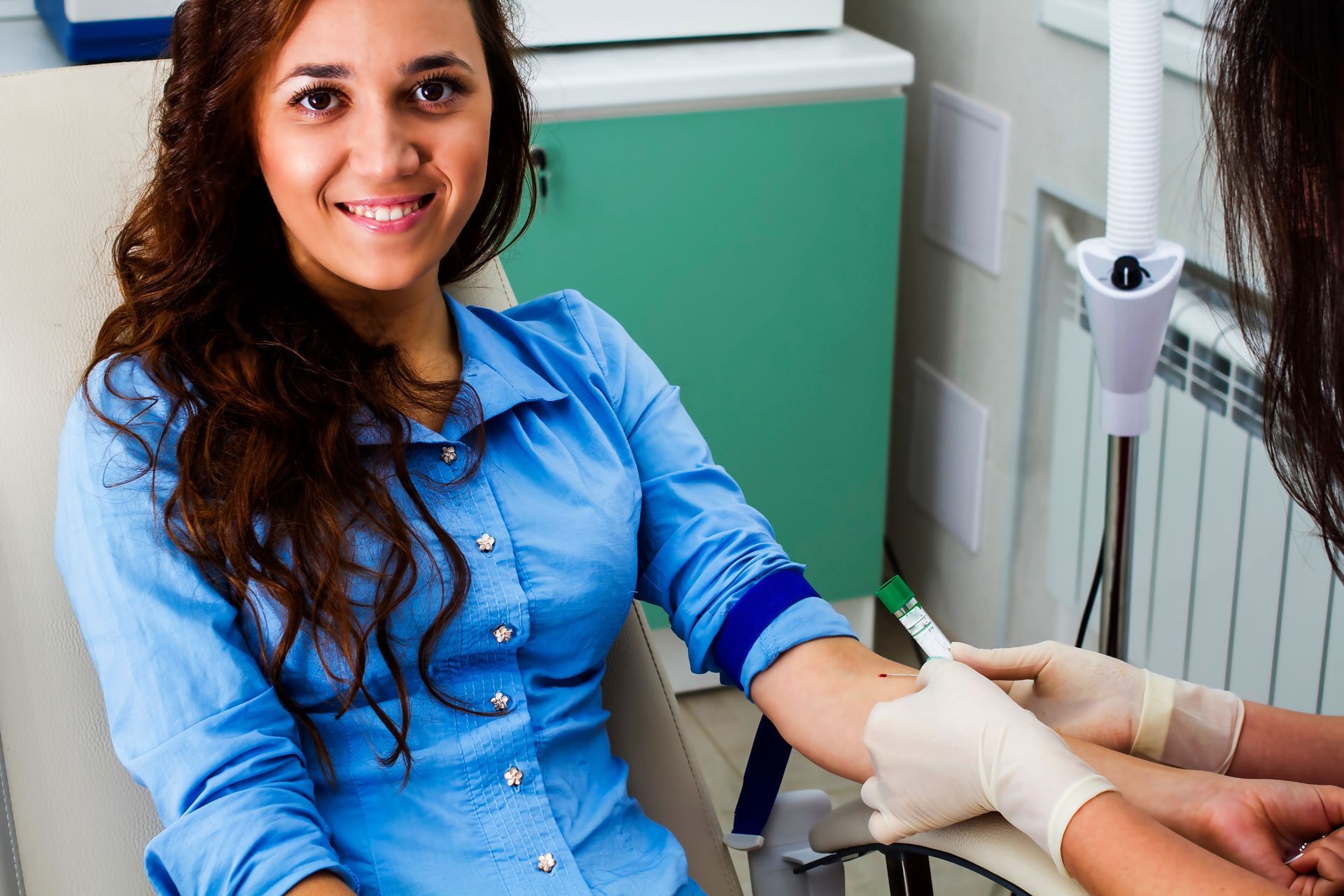
Regular visits with cardiologists facilitate the early detection of cardiovascular diseases, often before symptoms manifest. Early diagnosis allows for effective intervention, preventing disease progression and reducing complications. Cardiologists will utilize various diagnostic tools like blood tests to uncover underlying heart conditions. With early detection, treatment plans can be implemented promptly, significantly improving prognosis and quality of life. According to the CDC, approximately 5% of the adult population aged 20 and older suffers from coronary artery disease, highlighting the need for timely detection and intervention.
Identifying asymptomatic conditions early transforms standard healthcare from reactive treatment to proactive risk management. Beyond routine screening, timely evaluation allows cardiologists to detect silent progression, such as early arterial plaque accumulation or subtle electrical imbalances, long before a major cardiac event like a heart attack occurs. By catching these subtle physiological changes in their infancy, medical teams can prescribe targeted lifestyle modifications and preventive therapies that stabilize the heart, preventing catastrophic emergency events and significantly reducing long-term hospitalizations.
Furthermore, early detection creates a vital baseline for evaluating a patient's long-term cardiovascular trajectory. Establishing clear diagnostic benchmarks allows specialists to track subtle shifts in heart function over time, making it easier to distinguish between normal age-related changes and actual disease progression. This ongoing diagnostic tracking empowers clinicians to initiate less invasive, highly effective interventions early on, preserving cardiac function, optimizing overall health outcomes, and offering patients lasting peace of mind.
Tailored Medical Advice and Treatment Plans
Tailored medical advice and individualized treatment plans form the cornerstone of effective cardiology care. Each patient's unique risk factors and health status necessitate personalized approaches to treatment and prevention. Regular checkups enable cardiologists to adjust treatment plans based on the latest diagnostic insights and patient responses. This personalized approach improves patient outcomes and encourages adherence to prescribed therapies and lifestyle changes. Patients benefit from a team of professionals attuned to their specific needs and progression in their cardiovascular health journey.
Personalized cardiovascular management extends far beyond adjusting prescriptions; it involves aligning medical protocols with an individual's unique genetic profile, metabolic health, and daily routine. Because risk factors like cholesterol processing, stress responses, and drug metabolism vary dramatically from person to person, standard broad-spectrum treatments often fall short. By incorporating detailed patient histories and precise diagnostic insights, cardiologists can design hyper-targeted strategies that maximize therapeutic benefits while minimizing adverse side effects, ensuring the chosen path is both safe and effective.
Additionally, highly tailored care plans significantly boost patient compliance and long-term engagement. When recommendations account for a patient's specific lifestyle constraints, dietary preferences, and physical abilities, adherence to complex medical regimens improves substantially. Cardiologists who actively collaborate with their patients to establish realistic, custom-tailored milestones foster a sense of shared responsibility. This dynamic partnership empowers individuals to take an active role in their healing journey, turning routine advice into sustainable, lifelong habits.
Monitoring and Managing Existing Conditions
For patients with existing cardiovascular conditions, regular checkups are vital for effective management and monitoring. Continuous monitoring allows for adjustments in treatment as the patient's condition evolves, optimizing health outcomes. Cardiologists can identify signs of deterioration or complications early, facilitating timely interventions. Managing coexisting health conditions like diabetes or hypertension in conjunction with cardiovascular diseases requires a coordinated effort and routine assessments. Regular visits create a roadmap to sustain heart health over time, minimizing adverse events.
Consistent oversight is particularly critical during transitional periods in a patient's health, such as following medication adjustments, surgical recovery, or the onset of secondary illnesses. Ongoing monitoring enables cardiologists to evaluate how well the heart adapts to changing clinical variables, allowing them to fine-tune dosage levels and intervention timing with precise accuracy. By maintaining a continuous feedback loop between patient and practitioner, routine management limits the risk of unforeseen complications, minimizes avoidable admissions, and ensures that chronic cardiovascular conditions remain stable over the long term.
Preventive Care and Risk Reduction
Preventive care is a fundamental component of cardiology, aimed at reducing future risk of heart problems. Cardiology checkups focus on educating patients about risk factors and equipping them with strategies to modify behaviors. Preventive measures such as dietary changes, exercise regimens, and medication adherence can notably decrease the risk of developing severe heart conditions. Cardiologists engage patients in proactive care plans, emphasizing the importance of making informed health choices. This collaborative approach fosters empowerment and resilience against cardiovascular diseases.
Effective risk reduction relies heavily on incremental, measurable progress tailored to a patient's individual risk baseline. Rather than relying on generic guidelines, experienced cardiologists will work with patients to establish achievable metrics for key indicators such as blood pressure and lipid panels. Through continuous check-ins, clinicians can track these biomarkers, refine preventive strategies, and address lifestyle roadblocks early, which prevents reversible risk factors from compounding into chronic damage. This structured, step-by-step approach turns abstract health goals into actionable habits, dramatically lowering the long-term likelihood of cardiovascular events.
Emotional and Psychological Support
The emotional and psychological support offered during cardiology visits plays a critical role in long-term patient care. Heart disease often brings about feelings of anxiety, stress, and depression, which can adversely impact physical health. Building a trusting relationship with healthcare providers helps alleviate these emotional burdens, promoting better coping strategies and mental well-being. Emotional support is instrumental in encouraging patient compliance with treatment plans. Cardiologist checkups provide a compassionate space for patients to express concerns and gain reassurance.
Advanced Diagnostic Tools
Advances in diagnostic tools have revolutionized the field of cardiology, enabling more precise detection and assessment of cardiovascular diseases. Technologies such as cardiac MRI and 3D echocardiography provide in-depth insights into heart structure and function. These innovations can allow cardiologists to detect anomalies with higher accuracy and tailor their interventions accordingly. By leveraging these tools, cardiologists can improve diagnostic accuracy and patient outcomes. Continuous development in diagnostic technology holds promise for enhancing early detection of cardiovascular conditions.
Remote Monitoring and Telehealth
Remote monitoring and telehealth have increasingly become integral components of cardiovascular care. These technologies facilitate continuous health monitoring, allowing patients to engage in their health management from the comfort of their homes. Telemedicine services provide a convenient platform for patients to consult cardiologists, manage chronic conditions, and adhere to treatment plans. Especially in the context of accessibility challenges, telehealth expands service reach, ensuring patients receive necessary care. As telehealth technologies evolve, they will enhance patient engagement and contribute to more personalized cardiovascular care.
Regular cardiologist checkups for at-risk patients are an essential component of maintaining cardiovascular health. These visits enable early detection, tailored treatment, and proactive patient management, ultimately improving long-term health outcomes. Ultimately, fostering an informed, empowered patient population through coordinated care emphasizes the crucial role of cardiologists in championing cardiovascular health. To get started with your next checkup, reach out to Advanced Cardiology and Vein Center of South Jersey today!







Share On: