

Creating a Safe Cardio Workout Plan If You Have a Sedentary Lifestyle
Transitioning from a period of prolonged inactivity to a regular exercise routine can feel overwhelming, but prioritizing your heart health is a rewarding decision. Many people sit at desks all day, leading to habits that neglect cardiovascular wellness. If you have been living an inactive lifestyle, jumping straight into a high-intensity workout regimen can be counterproductive and dangerous. Instead, the process requires careful planning and a thoughtful approach to build endurance safely. Cardiovascular exercise helps strengthen your heart muscle, improves overall blood circulation, and boosts your daily energy levels. Before making major lifestyle changes, many individuals find it highly beneficial to speak with experienced cardiologists who can provide personalized advice based on their current health status. By taking deliberate, measured steps toward an active lifestyle, you can protect your heart and enhance your physical well-being without risking unnecessary injury.
Understanding the Risks of Prolonged Inactivity
Modern conveniences and office-based careers have made it easy to spend most of the day seated. While this might feel comfortable, the long-term effects on your cardiovascular system can be deeply concerning. A sedentary routine weakens the heart muscle over time, making it work significantly harder to pump blood throughout the body during even minor physical exertions. According to the American Heart Association, in 2022, the overall prevalence of meeting the 2018 Physical Activity Guidelines for Americans for aerobic activity and muscle-strengthening activities was 25.3% in US adults. This reality highlights that a vast majority of people are not getting the exercise they desperately need to maintain optimal physical health. Acknowledging this lack of movement is the vital initial step toward positive change. You must recognize that your body was designed to move, and restoring that natural movement is absolutely essential. When you decide to break the cycle of inactivity, you actively choose to reduce your risk of serious heart conditions. Discussing these necessary lifestyle shifts with trusted cardiologists can help you understand how your resting habits affect your cardiovascular profile. Awareness empowers you to make informed decisions and sets the stage for a successful transition to a far more active life.
Consulting With Medical Professionals First
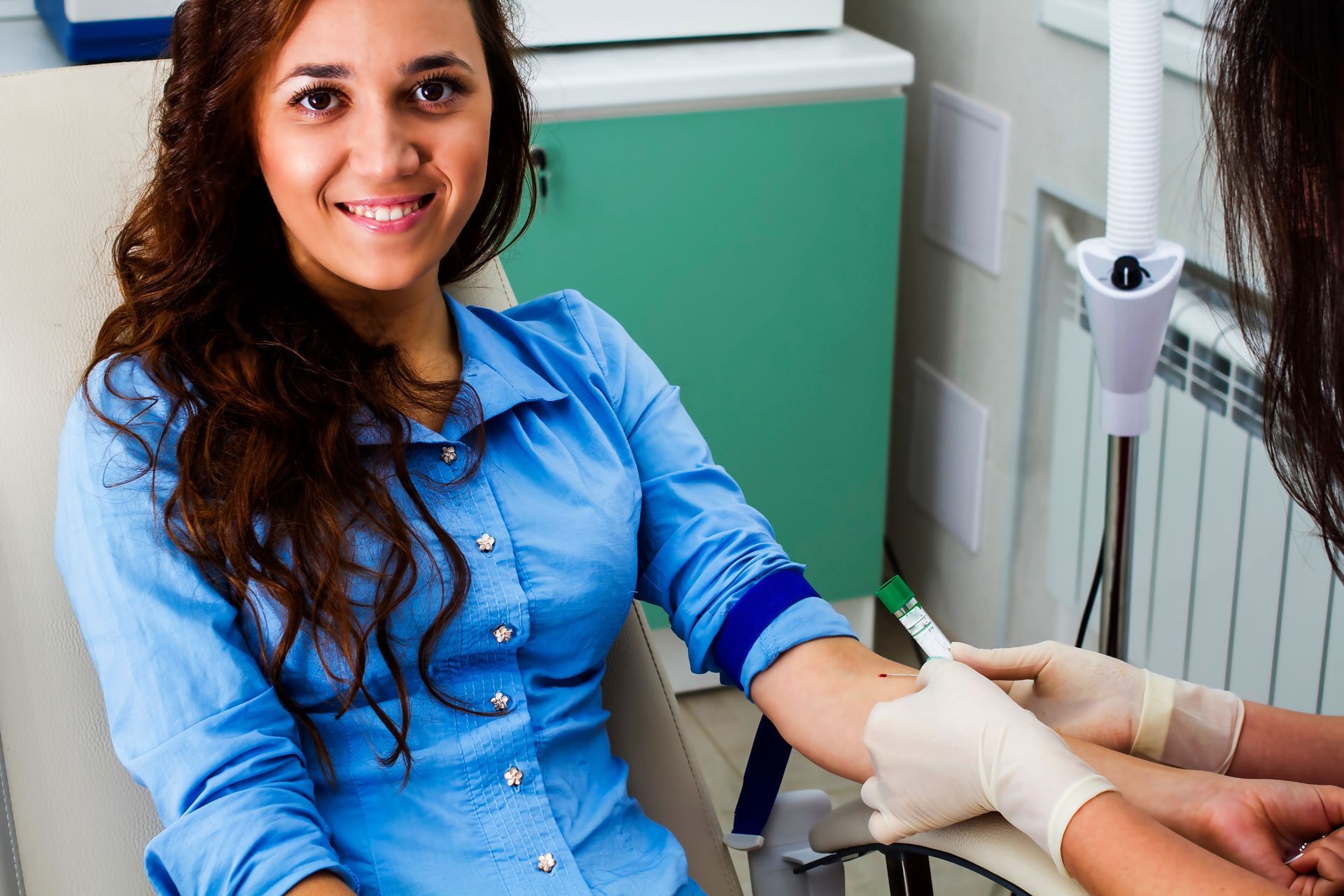
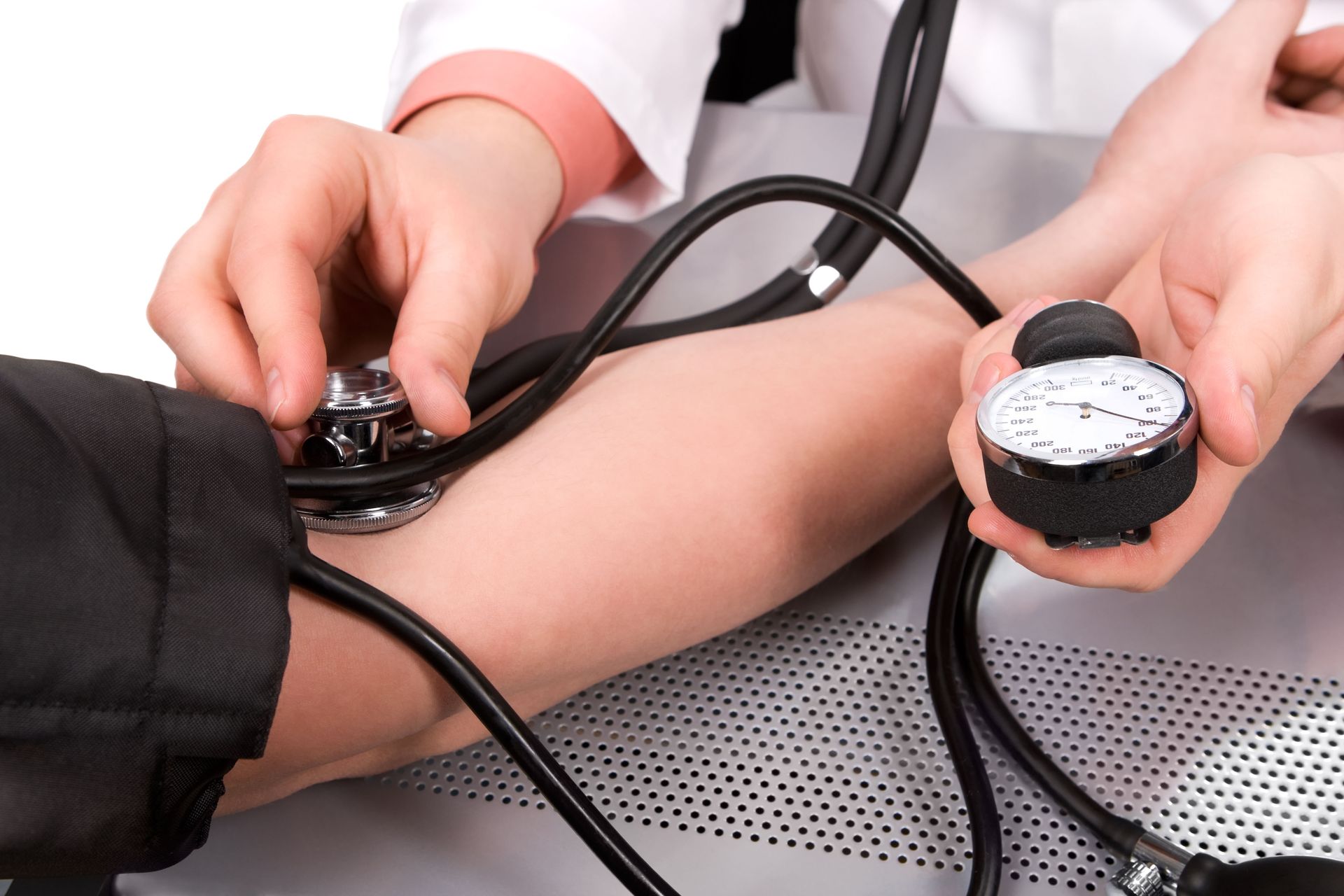
Starting a new exercise program when your physical body is accustomed to resting requires professional medical guidance to ensure your absolute safety. Pushing your cardiovascular system too hard and too fast can easily lead to overexertion, severe muscle strains, or even more serious cardiovascular events. It is fundamentally crucial to have a comprehensive medical evaluation before buying athletic shoes and hitting the pavement. Specialized physicians can perform necessary tests to thoroughly check your blood pressure, measure your resting heart rate, and evaluate your overall cardiovascular capacity. Furthermore, these tests highlight any underlying physiological conditions that might dictate which physical exercises are truly safe for you to perform. Experienced cardiologists frequently help sedentary patients design wonderful introductory movement plans that accommodate their unique physical limitations. This strict medical oversight prevents you from taking unnecessary health risks and guarantees that your chosen activities will actually benefit your heart. Relying on professional medical advice takes the guesswork out of your newly formed routine, giving you peace of mind to focus completely on building a healthier, stronger version of yourself every day. Safety must always be the foundation upon which your exercise journey is built.
Choosing the Right Low-Impact Exercises
When you are finally ready to begin moving, selecting the correct type of physical activity is just as important as the initial decision to start. High-impact exercises like running or intense jumping can place immense, unwanted stress on your joints and create a sudden burden on a previously untrained heart. Instead, focusing your energy on low-impact movements gently allows your body to adapt safely to the new physical demands being placed upon it. Brisk walking is widely considered among the absolute best introductory exercises because it requires no special equipment and can be done virtually anywhere you choose. Swimming or casually using a stationary bicycle are also excellent, heart-pumping choices that elevate your heart rate while simultaneously protecting your knees and ankles from harsh impacts. As you explore these different exercise modalities, you might discover that certain activities bring you significantly more joy, which makes it far easier to stick with your new routine. Consulting with knowledgeable cardiologists can readily provide you with a carefully tailored list of approved low-impact exercises that perfectly match your current physical capabilities. The main goal during this introductory phase is simply to get your blood flowing steadily and to effectively establish a consistent habit of movement.
Building a Consistent Weekly Routine
Consistency is the undisputed secret to completely transforming a sedentary lifestyle into an active, heart-healthy routine. Exercising sporadically will not yield the rich cardiovascular benefits you are seeking and can sometimes leave you feeling overly fatigued or discouraged. Establishing a highly regular schedule expertly trains your body to anticipate physical exertion, which helps efficiently regulate your energy levels and vastly improves your post-workout recovery time. You should carefully aim to carve out specific blocks of time in your weekly calendar dedicated entirely to your thoughtfully chosen low-impact exercises. Treating these workout sessions as completely non-negotiable appointments ensures that you continually prioritize your well-being. In the very beginning, you might only schedule remarkably brief sessions, but the simple act of showing up consistently builds an incredibly powerful psychological habit. Routine physical activity effectively helps lower resting heart rates and significantly improves blood vessel function over time. Many top cardiologists emphasize that frequent, moderate exercise is far more beneficial for long-term heart health than infrequent, intense bursts of physical activity. As you strictly adhere to your schedule, you will very likely notice that your stamina naturally increases, allowing you to comfortably extend the total length of your workouts. A well-planned, steady routine turns the process of getting fit into a rewarding reality.
Listening to Your Body During Workouts
As you embark on this ongoing journey toward better cardiovascular health, learning to interpret your physical signals is critically important. Your body will communicate with you during exercise, and accurately distinguishing between normal physical exertion and dangerous internal strain can prevent serious medical complications. It is completely normal to experience a slightly elevated heart rate, noticeably deeper breathing, and mild sweating as you actively engage in physical activity. However, symptoms such as sharp chest pain, severe dizziness, extreme shortness of breath, or sudden physical nausea are clear warning signs that you must stop your movements immediately. Ignoring these vital red flags in an unwise attempt to push through a difficult workout is incredibly dangerous for someone transitioning from a historically sedentary lifestyle. If you experience these alarming physical symptoms, it is absolutely vital that you rest quietly and seek immediate medical evaluation. Regular check-ins with your healthcare team, including your trusted cardiologists, can help you thoroughly understand which physical sensations are part of the normal muscle-building process and which warrant prompt medical attention. Practicing mindful awareness during your workouts ensures that you stay within a safe intensity zone to protect your cardiovascular system.
Transitioning into an active lifestyle is a deeply personal and rewarding physical process that requires patience, dedication, and professional medical guidance. By truthfully acknowledging the hidden risks of prolonged sitting, carefully choosing appropriate low-impact activities, and remaining fiercely consistent with your daily schedule, you can drastically improve your long-term cardiovascular health. Remember that taking slow, highly deliberate steps is the safest way to slowly build endurance and protect your heart from unnecessary physical strain. Always prioritize sound medical advice and listen closely to the vital signals your body actively sends you during every workout session. Establishing these healthy habits now will pay immense dividends for your physical and mental wellness for years to come. If you are ready to take control of your heart health and want to comprehensively ensure your new exercise routine is safe, reaching out to dedicated cardiologists is undoubtedly your best next step. Give Advanced Cardiology and Vein Center of South Jersey a call today to learn more about setting up a personalized, heart-safe wellness plan and safely start your journey toward a healthier, more active life.






Share On: