
What Causes Sudden Heart Palpitations and When to Worry
Experiencing a sudden fluttering in your chest can be an alarming sensation that instantly makes you wonder about your cardiovascular health. Many individuals describe these episodes as their heart racing, pounding forcefully, or even skipping a beat unexpectedly during normal activities. While these fluttering sensations are often entirely harmless, they can sometimes serve as an early warning sign of a serious underlying medical condition. It is incredibly important to pay close attention to the frequency and severity of these events to determine if professional medical intervention is necessary.
When these alarming symptoms arise, seeking out comprehensive cardiology services is typically the most prudent step you can take for your overall health. A proper medical evaluation can easily distinguish between a benign annoyance and a critical issue that requires immediate clinical management. By staying informed about the various factors that influence your heartbeat, you are much better equipped to protect your long-term cardiovascular wellness. In this comprehensive guide, we will explore the primary reasons behind these erratic heartbeats and discuss exactly when you should reach out to a medical professional.
Understanding the Causes of Palpitations
A wide array of everyday lifestyle factors can significantly disrupt your normal heart rhythm and trigger a sudden bout of uncomfortable palpitations. High levels of psychological stress, intense anxiety, and frequent panic attacks are among the most common culprits that cause your heart to race unpredictably. Consuming excessive amounts of caffeine through coffee, energy drinks, or certain sodas can also overstimulate your nervous system and lead to a pounding chest. Furthermore, engaging in strenuous physical exertion without proper conditioning frequently results in temporary irregularities within your cardiac rhythm.
Beyond these immediate environmental triggers, certain dietary choices and chemical substances have a profound impact on the stability of your heart rate. Drinking substantial quantities of alcohol or using tobacco products introduces toxins into your bloodstream that directly irritate the delicate tissues of your heart muscle. Many over-the-counter medications, particularly decongestants and asthma inhalers, contain active ingredients that stimulate the cardiovascular system and provoke unexpected palpitations. Whenever lifestyle modifications fail to resolve these dietary and chemical triggers, consulting experts who provide specialized cardiology services becomes essential.
Recognizing When You Should Worry
Although the vast majority of erratic heartbeats are fundamentally harmless, certain accompanying symptoms should immediately elevate your level of medical concern and prompt you to seek cardiology services. If your palpitations are paired with severe chest pain, extreme shortness of breath, or profound dizziness, you must seek emergency medical assistance without delay. Fainting spells or a sudden loss of consciousness during a fluttering episode strongly indicate that your heart is failing to pump blood effectively to your brain. Ignoring these critical warning signs can have devastating consequences, making rapid medical assessment a necessity for your continued safety.
The duration and frequency of your symptoms also play a pivotal role in determining the severity of your underlying cardiovascular condition. Palpitations that last for several hours or occur multiple times throughout the week are highly irregular and require a thorough clinical investigation. A heart that beats erratically even while you are resting comfortably in bed is demonstrating signs of significant electrical instability within its chambers. In these specific scenarios, securing access to advanced cardiology services is crucial for obtaining precise diagnostic imaging and comprehensive rhythm monitoring.
Individuals who already possess a documented history of heart disease face a uniquely elevated risk when they experience any new cardiovascular symptoms. Previous heart attacks, congestive heart failure, or known structural defects dramatically increase the likelihood that a simple palpitation is actually a dangerous arrhythmia. The presence of a strong family history regarding sudden cardiac arrest should also prompt an immediate and thorough medical review of your symptoms. Proactively addressing these specific risk factors with a qualified specialist ensures that any dangerous complications are identified long before they become life-threatening emergencies.
Connecting Vein Health to Heart Health
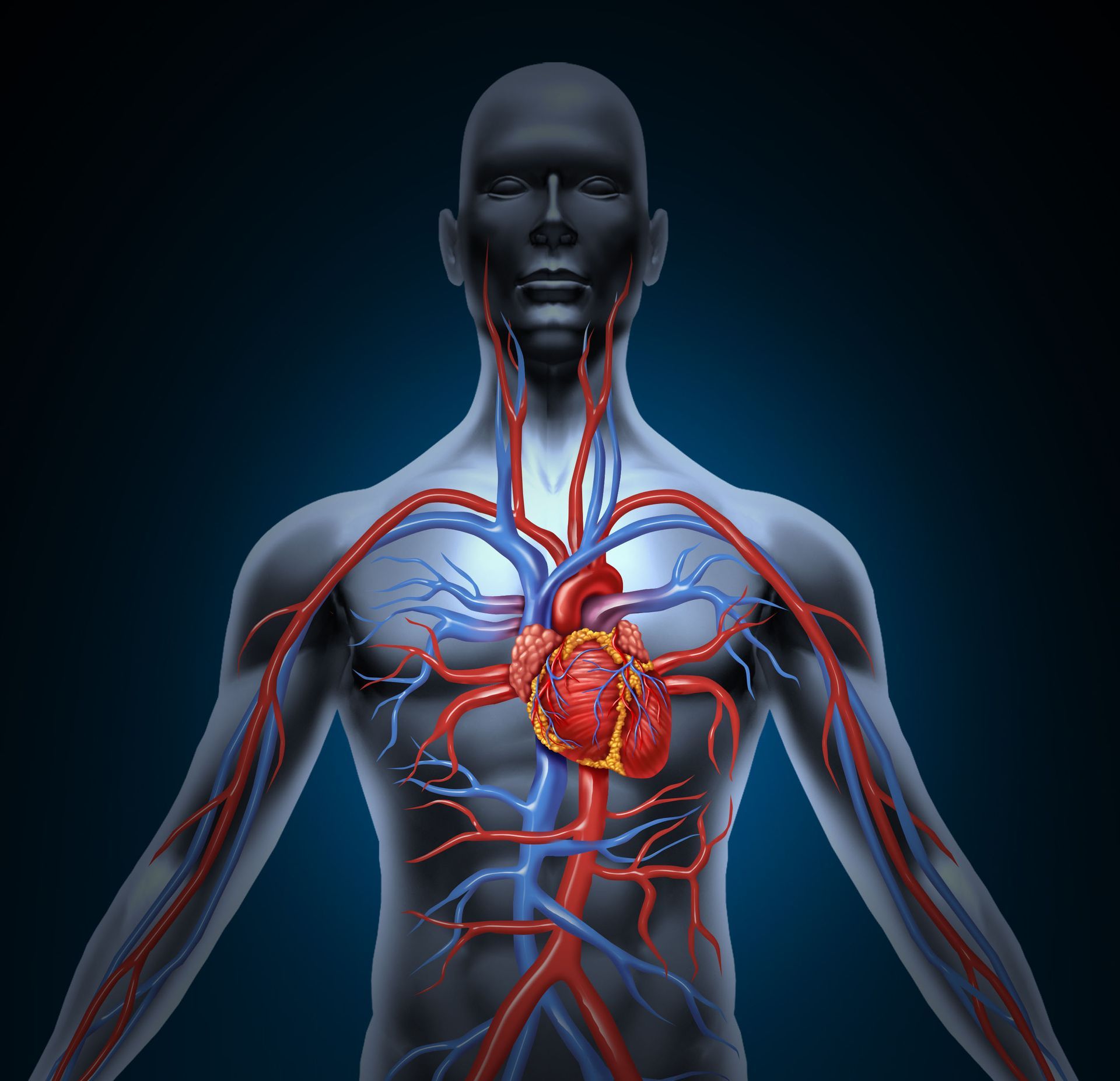
The intricate relationship between your peripheral venous system and your central cardiovascular system is frequently overlooked when patients experience unusual cardiac symptoms. Poor circulation in your lower extremities forces your heart to work significantly harder to return blood against the powerful pull of gravity. This constant added strain can eventually lead to generalized cardiovascular fatigue and provoke the very palpitations that cause patients so much distress. Consequently, evaluating the functional integrity of your veins is a vital component of any thorough medical investigation into unexplained cardiac irregularities.
Modern medical research has established undeniable correlations between compromised peripheral blood vessels and severe complications within the central cardiac network. According to ScienceDirect, 85% of research investigations regarding this topic determined that chronic vein disease is directly connected to cardiovascular morbidity and mortality. This staggering statistic powerfully emphasizes the urgent need to treat circulatory disorders holistically rather than viewing them as entirely isolated medical phenomena. Physicians who offer comprehensive cardiology services routinely screen for venous insufficiency to fully safeguard the cardiovascular health of their vulnerable patients.
Treating underlying vascular conditions often yields remarkable improvements in a patient's overall cardiac stability and significantly reduces the frequency of terrifying palpitations. Simple interventions such as wearing medical-grade compression stockings or elevating the legs can drastically improve venous return and alleviate the burden on the heart. For more advanced cases, minimally invasive procedures can permanently close diseased veins and seamlessly redirect blood flow through healthier circulatory pathways. Addressing these peripheral vascular issues directly through comprehensive cardiology services frequently eliminates the secondary cardiac symptoms that originally prompted the patient to seek medical assistance.
Finding the Right Treatment Plan
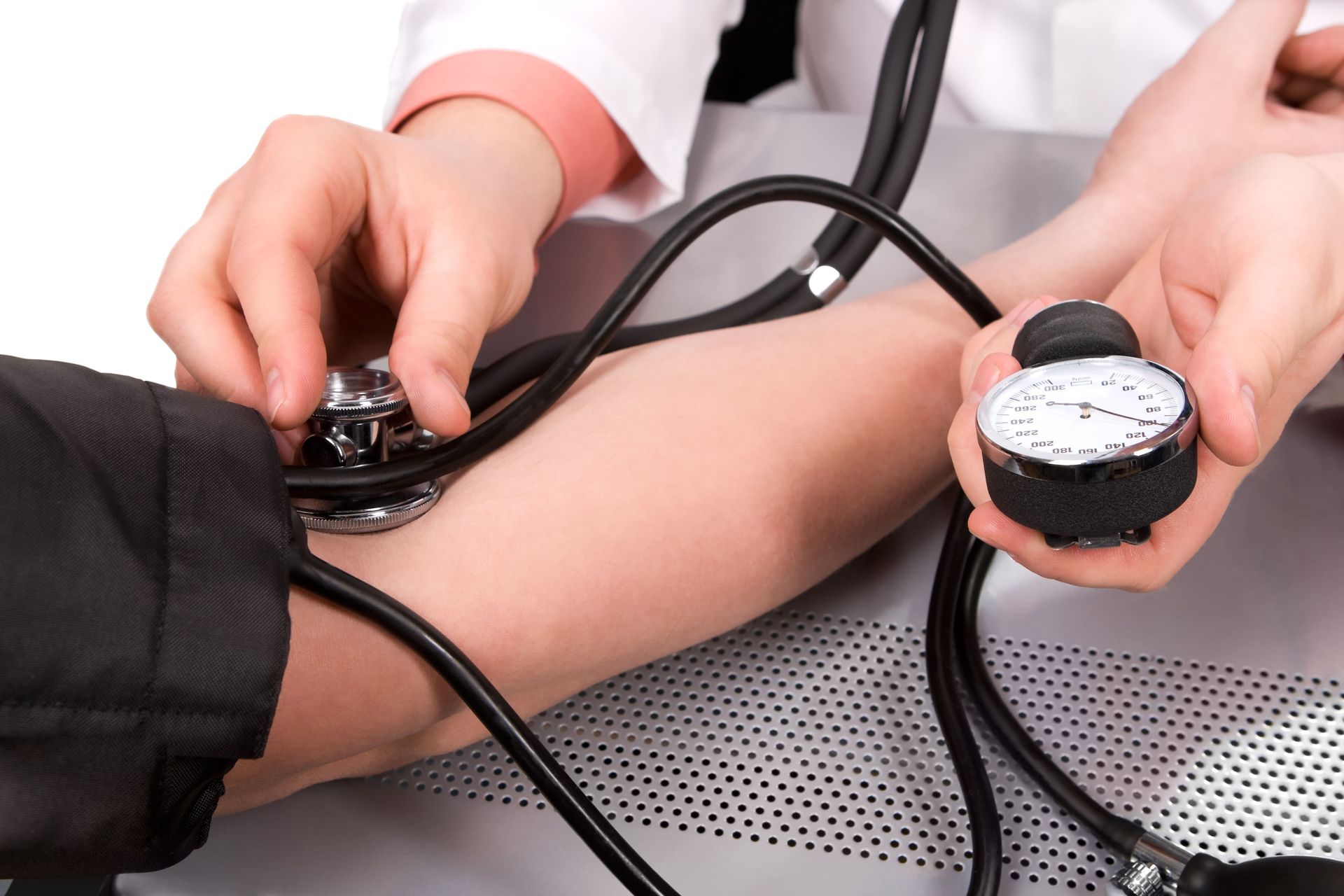
Developing an effective strategy to manage sudden heart palpitations requires a highly personalized approach tailored to your unique anatomical and physiological needs. Your healthcare provider will likely begin with a comprehensive physical examination, a detailed medical history review, and a standard electrocardiogram to monitor your heart rhythm. In many instances, doctors will ask you to wear a portable Holter monitor for several days to capture elusive cardiac events that occur outside the clinic. This essential diagnostic data provides the foundational blueprint needed to construct a viable, long-term solution for your specific cardiovascular ailments.
Once a precise diagnosis is established, the subsequent treatment recommendations can range from simple lifestyle adjustments to sophisticated pharmacological interventions. Patients whose palpitations are driven by anxiety or stress often benefit immensely from targeted relaxation techniques, cognitive behavioral therapy, or regular yoga practice. Conversely, individuals diagnosed with structural heart abnormalities or serious arrhythmias typically require prescription medications such as beta-blockers or calcium channel blockers to restore normalcy. Accessing professional cardiology services allows patients to navigate these complex treatment options under the careful guidance of highly trained and experienced medical specialists.
Experiencing unpredictable heart palpitations is undoubtedly a frightening ordeal, but gaining a deeper understanding of the potential causes can provide immense psychological relief. By carefully monitoring your specific symptoms and identifying your personal lifestyle triggers, you can take highly proactive steps to protect your vital cardiovascular system. Whenever these fluttering sensations are accompanied by pain, dizziness, or profound shortness of breath, immediate professional intervention becomes essential for your survival. Prioritizing routine checkups and utilizing expert
cardiology services will ultimately ensure that your heart continues to beat strongly and reliably for many years to come.
If you are experiencing troubling cardiovascular symptoms, we strongly encourage you to schedule a comprehensive evaluation with us today. At Advanced Cardiology and Vein Center of South Jersey, we are deeply committed to providing the absolute best care to protect your long-term health. Contact our dedicated scheduling team immediately so that we can quickly help you achieve total peace of mind regarding your overall heart health.








Share On: