
How Cardiology Services Help Detect Heart Conditions Early
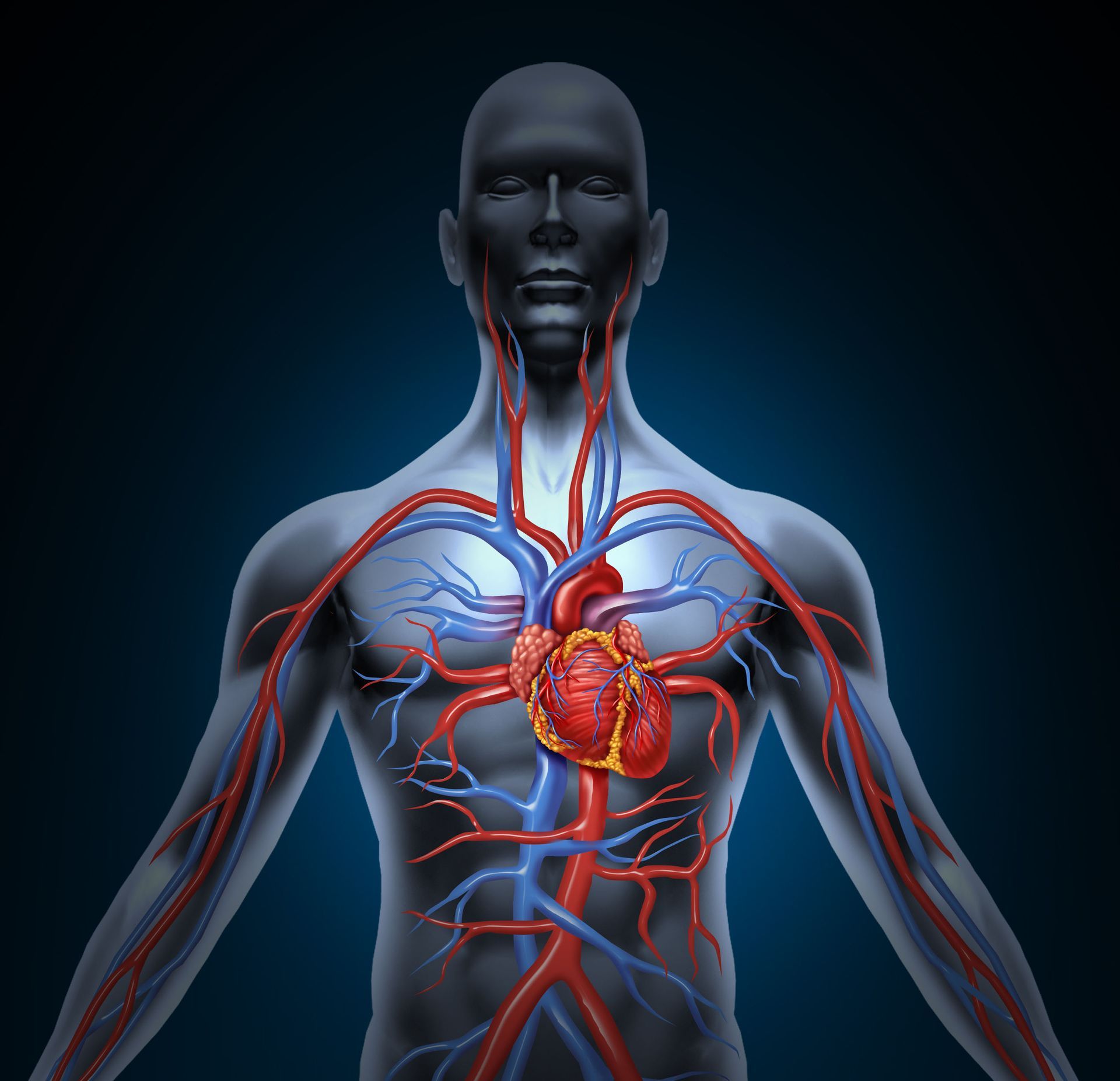
The significance of early detection in cardiology cannot be overstated, as it is crucial for preventing the advancement of heart disease and enhancing patient outcomes. Cardiology services play a pivotal role in identifying potential heart conditions before they become severe. Through comprehensive assessments and innovative technologies, cardiology services aim to reduce the incidence of heart disease and improve the quality of life for individuals at risk. As we explore the various aspects of cardiology services, it becomes clear how instrumental they are in safeguarding heart health.
Diagnostic Tools in Cardiology
Electrocardiograms (EKG/ECG)
Electrocardiograms (EKG or ECG) are one of the most widely used diagnostic tools in cardiology, measuring the electrical activity of the heart. They are capable of detecting arrhythmias, heart attacks, and other abnormalities that might not manifest as obvious symptoms. This tool is non-invasive, providing real-time data that helps cardiologists make informed decisions. Importantly, EKGs can be conducted in various healthcare settings, from primary care offices to specialized cardiology clinics. Despite their simplicity, EKGs are a cornerstone in the early detection of heart conditions, offering invaluable insights into cardiovascular health.
Holter Monitors
For patients with intermittent symptoms or suspected arrhythmias, Holter monitors offer extended heart monitoring. Holter monitors are particularly effective for detecting silent myocardial infarctions, which, according to the CDC, occur frequently without noticeable symptoms, with one in five cardiac events being completely silent to the patient. This extended observation period allows for a more accurate assessment of the heart's rhythm and function. Through the use of Holter monitors, cardiologists can identify patterns and correlations related to the patient's reported symptoms, leading to more precise diagnoses and treatment plans.
Cardiac MRI and CT Scans
Advanced imaging techniques such as cardiac MRI and CT scans provide high-resolution images of the heart and its vessels. These modalities are instrumental in assessing the anatomy and functionality of the heart in a non-invasive manner. Cardiac MRI offers detailed visualization of tissue composition, essential for diagnosing conditions like myocarditis and cardiomyopathy. CT scans, particularly those using contrast agents, are adept at identifying vascular abnormalities and coronary artery disease. The sophistication of these imaging techniques enhances the precision with which cardiologists can diagnose and plan treatments for heart conditions.
Preventive Cardiology
Lifestyle Modification Counseling
Preventive cardiology emphasizes the transformation of lifestyle habits to forestall the onset of heart disease. Through counseling, patients are encouraged to adopt heart-healthy practices such as regular physical activity, a balanced diet, and stress management. Lifestyle modification is especially critical for individuals identified as having multiple risk factors for cardiovascular disease. Cardiology services often include structured programs and resources that help patients implement sustainable lifestyle changes. By focusing on prevention, these services significantly lower the incidence of cardiac events and improve overall wellness.
Risk Assessment and Stratification
A cornerstone of preventive cardiology services is the assessment and stratification of cardiovascular risk. This process involves evaluating a patient's medical history, family history, and lifestyle factors to determine their likelihood of developing heart disease. Cardiologists utilize various tools and algorithms to categorize patients into different risk groups, guiding the intensity of preventive measures and monitoring. By identifying high-risk individuals early, targeted interventions can be made to mitigate future cardiovascular events. This proactive approach ensures that resources are allocated efficiently and effectively to those most in need.
Cholesterol and Blood Pressure Monitoring
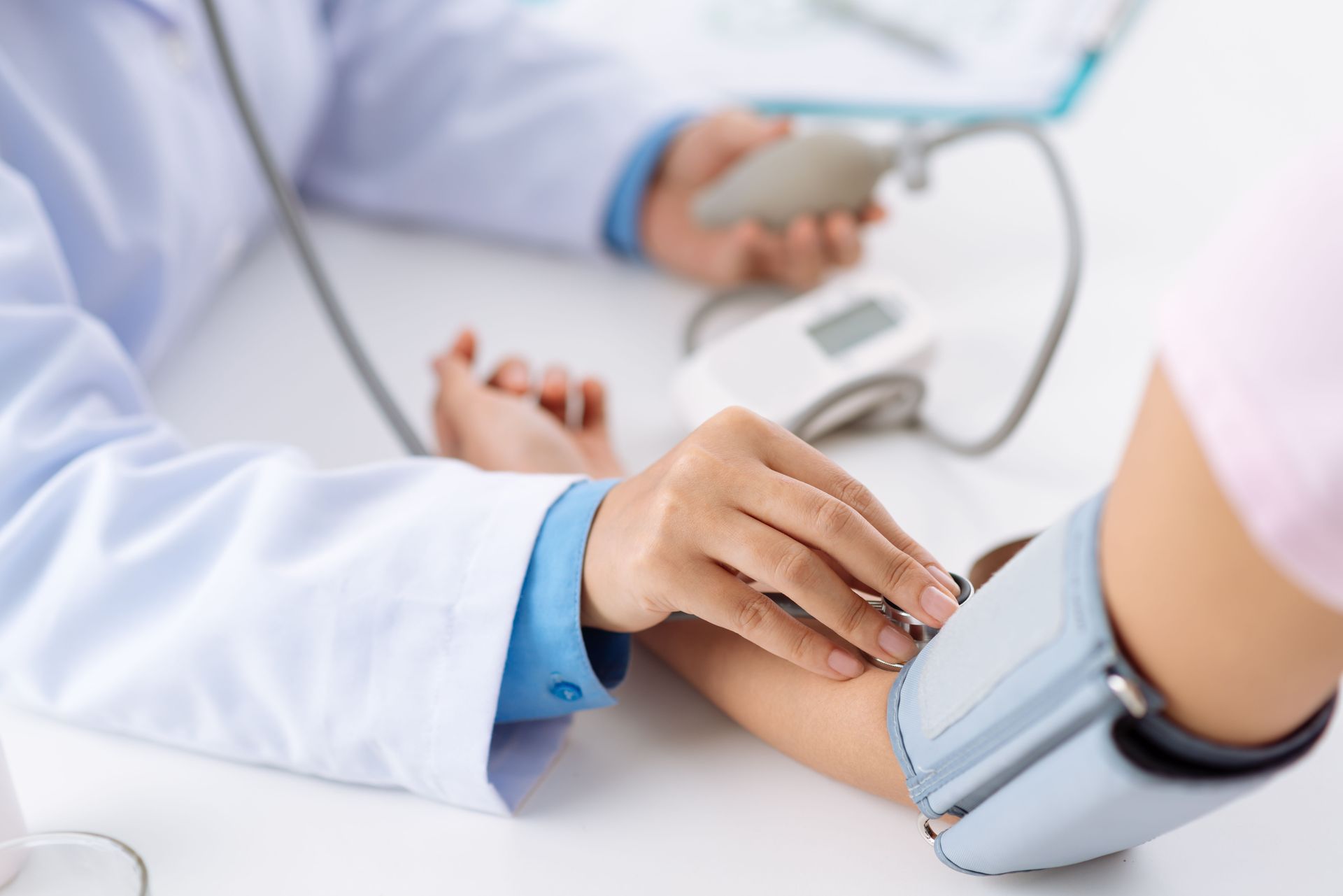
Regular monitoring of cholesterol levels and blood pressure is a fundamental aspect of managing cardiovascular health. Elevated cholesterol and hypertension are potent risk factors for heart disease, often requiring medication and lifestyle changes to control. Through routine check-ups, cardiologists are able to track and manage these parameters, reducing the risk of atherosclerosis and other cardiovascular issues. Adjustments in treatment plans can be made based on these readings, ensuring optimal patient care. Early detection and management of these conditions are key to preventing more serious cardiovascular events.
Innovations in Cardiology
Wearable Technology
Wearable technology has revolutionized the way cardiologists monitor patients, offering continuous data collection and real-time alerts. Devices such as smartwatches and fitness trackers can measure heart rate, detect irregular rhythms, and monitor physical activity levels. Wearables extend beyond traditional settings, allowing for expansive, at-home monitoring. This technology empowers patients to be active participants in their health management, promoting awareness and timely notification of potential cardiac issues. Moreover, the data collected by wearables can be seamlessly integrated into medical records, providing a comprehensive view of a patient's cardiovascular health.
Telecardiology
Telecardiology represents a significant advancement in cardiology services, enabling remote consultations and monitoring of patients. This practice breaks geographical barriers, allowing patients in remote or underserved areas to access expert care. Through telecardiology, patients can receive timely diagnosis, management plans, and follow-up care without the need for in-person visits. This approach is not only convenient but also broadens the reach of cardiologists to populations that might otherwise lack access to specialized services. The growing adoption of telecardiology underscores its potential to enhance patient outcomes and optimize healthcare resources.
Genetic Testing and Biomarkers
Genetic testing and the analysis of biomarkers offer personalized insights into an individual's risk of developing cardiovascular diseases. These tests can identify genetic mutations and markers associated with a higher propensity for conditions such as familial hypercholesterolemia and hypertrophic cardiomyopathy. Biomarkers enhance risk stratification, allowing for early interventions and tailored treatment plans. The integration of genetic data into cardiology care enables a shift towards more predictive, preventive, and personalized approaches in managing heart health. Such advancements continue to refine our understanding of the genetic underpinnings of cardiovascular diseases.
Advancements in Imaging Techniques
Imaging technology in cardiology has seen remarkable advancements, improving diagnostic accuracy and patient outcomes. Techniques such as 3D echocardiography, advanced CT angiography, and hybrid imaging integrate anatomical and functional data. These techniques provide comprehensive visualization of cardiac structures and pathologies, supporting precise diagnosis and treatment planning. The continuous evolution of imaging modalities is expanding the potential for early detection and management of complex heart conditions. These technologies underscore the dynamic nature of cardiology and its commitment to leveraging innovation for enhanced patient care.
Role of Cardiologists
Initial Consultation and Assessment
The initial consultation with a cardiologist is a critical step in evaluating potential heart conditions. During this appointment, cardiologists conduct thorough clinical assessments, which include medical history review, physical examination, and discussion of symptoms. Based on these findings, cardiologists may recommend diagnostic tests to gain insights into cardiac health. An accurate assessment not only facilitates an understanding of present conditions but also helps predict future cardiovascular risks. This foundational encounter is vital for establishing a baseline for ongoing care, ensuring that future interventions are well-informed and relevant.
Developing Treatment Plans
Once a diagnosis is established, cardiologists are responsible for developing comprehensive treatment plans tailored to individual patient needs. These plans often encompass medical management, lifestyle modifications, and sometimes surgical interventions if necessary. The development of treatment plans is a collaborative process, addressing all aspects of a patient's health and integrating input from a multidisciplinary team. This holistic approach ensures that all potential risk factors are managed effectively, optimizing the chances for improved outcomes. Consistent monitoring and plan adjustments are crucial components of effective cardiology care, allowing for adaptive and responsive treatment pathways.
Patient Education and Support
Cardiologists play a prominent role in patient education and support, empowering individuals with knowledge and resources to manage their heart health. Comprehensive education includes explaining complex medical information in an accessible manner and discussing the importance of lifestyle modifications. Support extends to providing emotional reassurance and addressing the psycho-social aspects of living with heart conditions. Accessibility to educational materials and support networks fosters a collaborative relationship between patients and their healthcare team. This supportive environment significantly contributes to better adherence to treatment plans and improved patient outcomes.
The integration of advanced diagnostics, preventive care, and cutting-edge innovations highlights the indispensable role of modern cardiology in safeguarding heart health. By combining early detection tools like EKGs and wearable tech with personalized risk assessments and lifestyle counseling, cardiologists can intervene long before cardiovascular issues become critical. Through tailored treatment plans and continuous patient education, these comprehensive cardiology services successfully shift the medical focus from reactive treatment to proactive prevention, ultimately reducing the incidence of heart disease and ensuring healthier futures. Take control of your cardiovascular health today by scheduling a consultation with the experts at Advanced Cardiology and Vein Center of South Jersey.







Share On: