
How Chronic Daily Stress Impacts Arterial Stiffness and Rhythm
Stress is a normal part of everyday life, but when it becomes a constant presence, it can affect more than mood and mental well-being. Chronic daily stress places ongoing demands on the cardiovascular system, influencing blood pressure, blood vessel function, and heart rhythm. Over time, these changes may contribute to cardiovascular concerns that deserve attention. Understanding the relationship between stress and heart health can help people recognize potential warning signs and make informed decisions about their well-being.
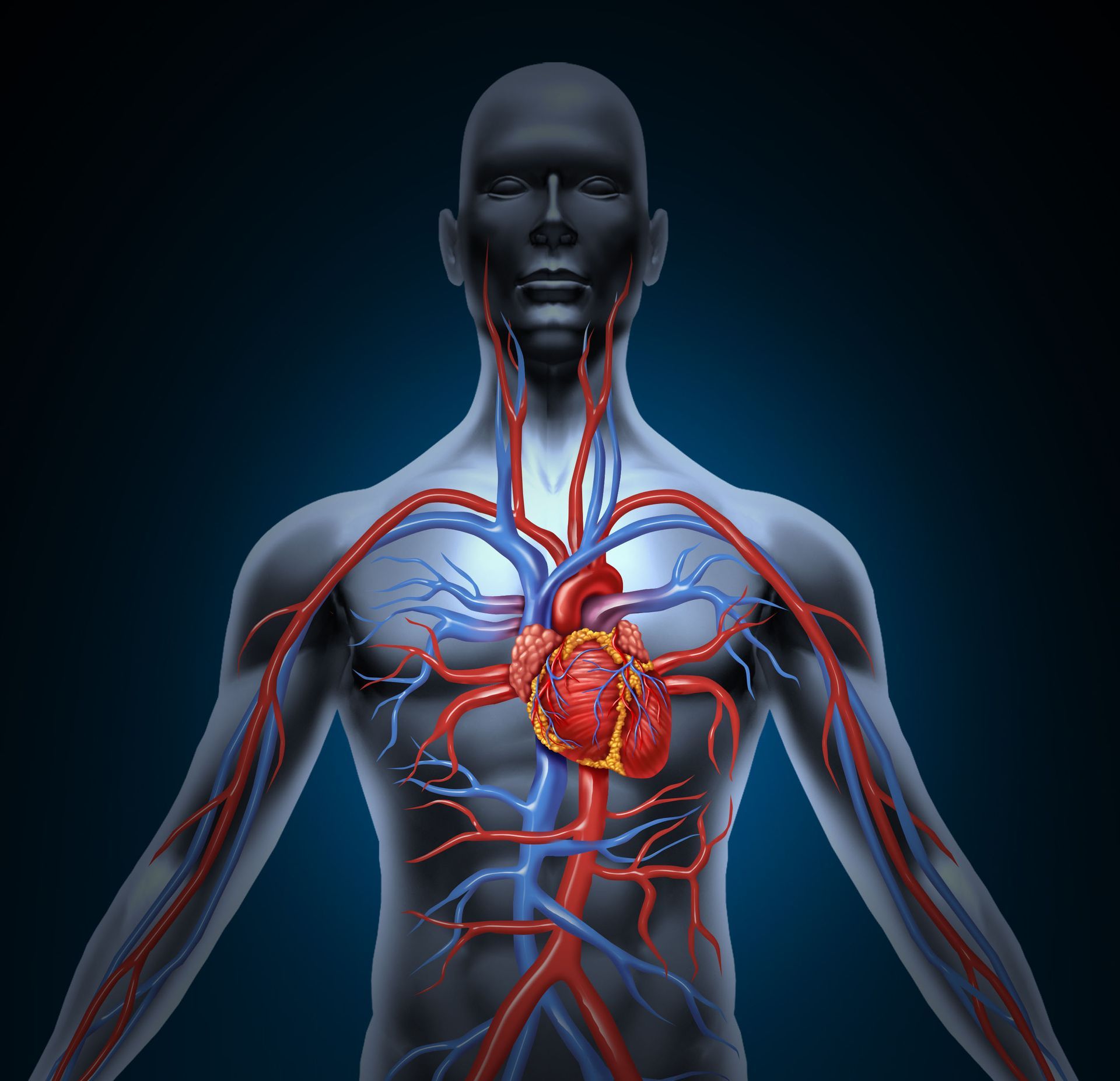
The cardiovascular system depends on healthy, flexible arteries and a steady heart rhythm to circulate blood throughout the body. However, prolonged stress can interfere with these processes through hormonal changes and repeated activation of the body's stress response. While occasional stress is not necessarily harmful, persistent exposure may increase cardiovascular strain. Working with a qualified cardiologist or vein doctor can help patients understand their individual risk factors and identify appropriate steps to protect their circulatory health.
The Body's Response to Chronic Stress
When a person experiences stress, the body activates its natural fight-or-flight response. This process involves the release of hormones such as adrenaline and cortisol, which prepare the body to respond to a perceived challenge. Heart rate increases, blood pressure rises, and blood vessels may constrict to redirect blood toward essential muscles and organs.
These reactions are useful in short-term situations, but chronic stress can keep the body in a heightened state of alertness. When stress hormones remain elevated or are released frequently, the cardiovascular system may have fewer opportunities to return to its normal resting state. Repeated increases in blood pressure can place additional demands on the heart and blood vessels.
Stress can also influence everyday behaviors that affect cardiovascular health. People experiencing ongoing pressure may have difficulty sleeping, exercise less frequently, or rely on smoking, alcohol, or unhealthy eating habits. These factors can contribute to high blood pressure, inflammation, and other conditions associated with cardiovascular disease. A vein doctor can help evaluate certain aspects of circulatory health, while a cardiologist can assess heart-related concerns and recommend appropriate care.
How Chronic Stress Contributes to Arterial Stiffness
Healthy arteries are flexible structures that expand and contract as the heart pumps blood. This elasticity helps maintain consistent circulation and reduces the amount of pressure placed on the cardiovascular system. Arterial stiffness occurs when blood vessel walls become less flexible, making it harder for arteries to accommodate changes in blood flow.
Chronic stress may contribute to this process through repeated increases in blood pressure, inflammation, and changes in blood vessel function. When the body regularly releases stress hormones, blood vessels may experience recurring periods of constriction. Over time, these responses can contribute to endothelial dysfunction. The endothelium is the thin layer of cells lining the inside of blood vessels, and it plays an important role in regulating circulation and maintaining vascular health.
Persistent inflammation and other cardiovascular risk factors may also contribute to changes in arterial walls. As arteries become stiffer, the heart must work harder to move blood throughout the body. This can increase cardiovascular strain and is associated with a greater risk of hypertension and other heart-related conditions.
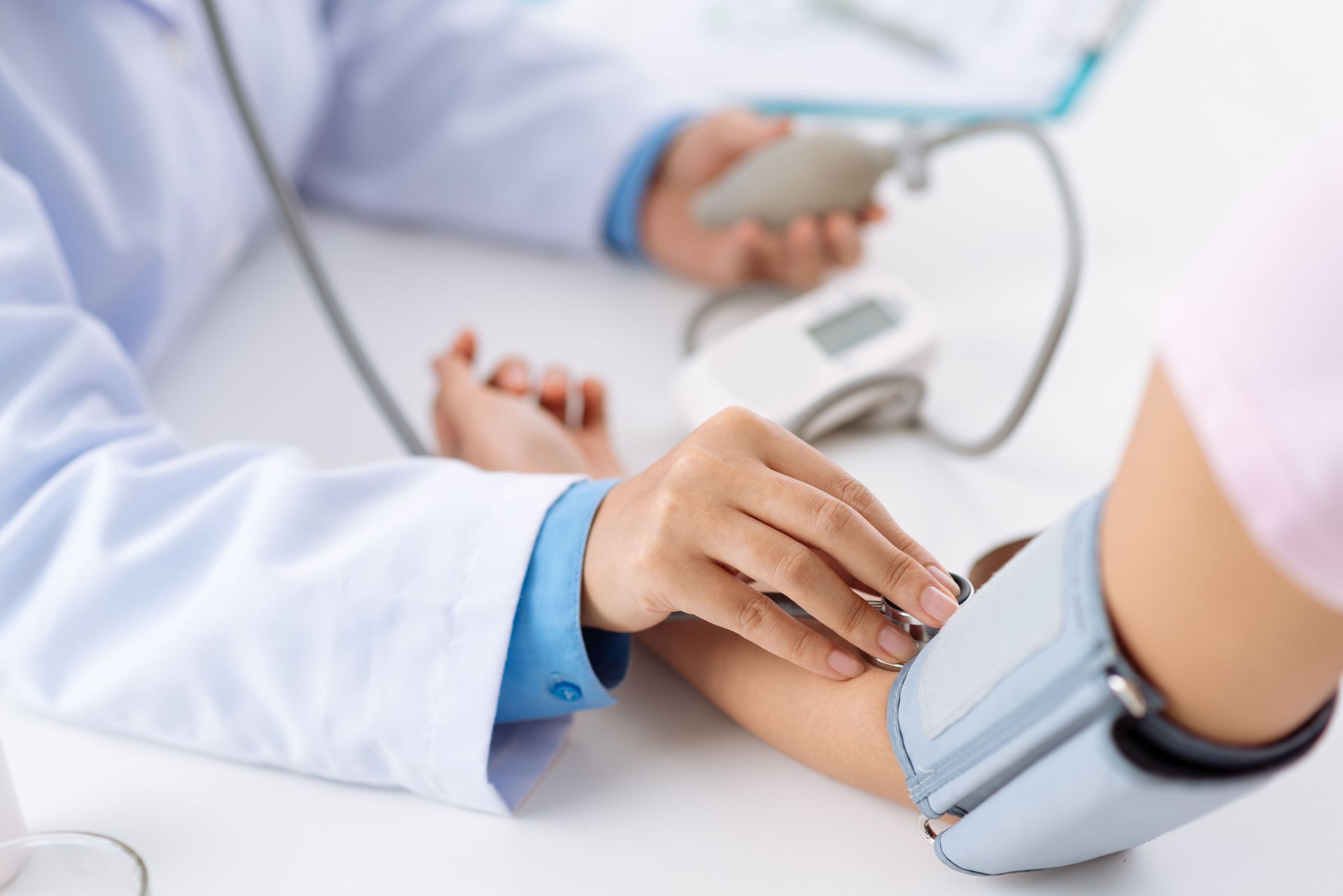
Arterial stiffness is not something a person can reliably identify based on symptoms alone. A cardiologist can evaluate blood pressure, medical history, and other relevant indicators to determine whether additional testing is appropriate. A vein doctor may also assess separate concerns involving circulation in the veins, helping patients understand the broader health of their vascular system.
How Stress Can Influence Heart Rhythm
The heart relies on electrical signals to maintain a consistent rhythm. These signals coordinate contractions that allow blood to move through the heart and circulate throughout the body. Stress can influence this electrical system by activating the sympathetic nervous system, which increases heart rate and prepares the body for immediate action.
During stressful situations, some people notice a racing heartbeat, pounding sensation, or occasional skipped beats. These experiences can occur as part of the body's normal response to stress. However, frequent or persistent stress may contribute to changes in autonomic nervous system activity, which helps regulate heart rate.
Stress may also contribute to sleep disturbances, elevated blood pressure, and other factors that can affect heart rhythm. In some individuals, these influences may be associated with a greater likelihood of experiencing arrhythmias, or irregular heartbeats. Atrial fibrillation is one example of an arrhythmia that can cause a rapid or irregular heartbeat.
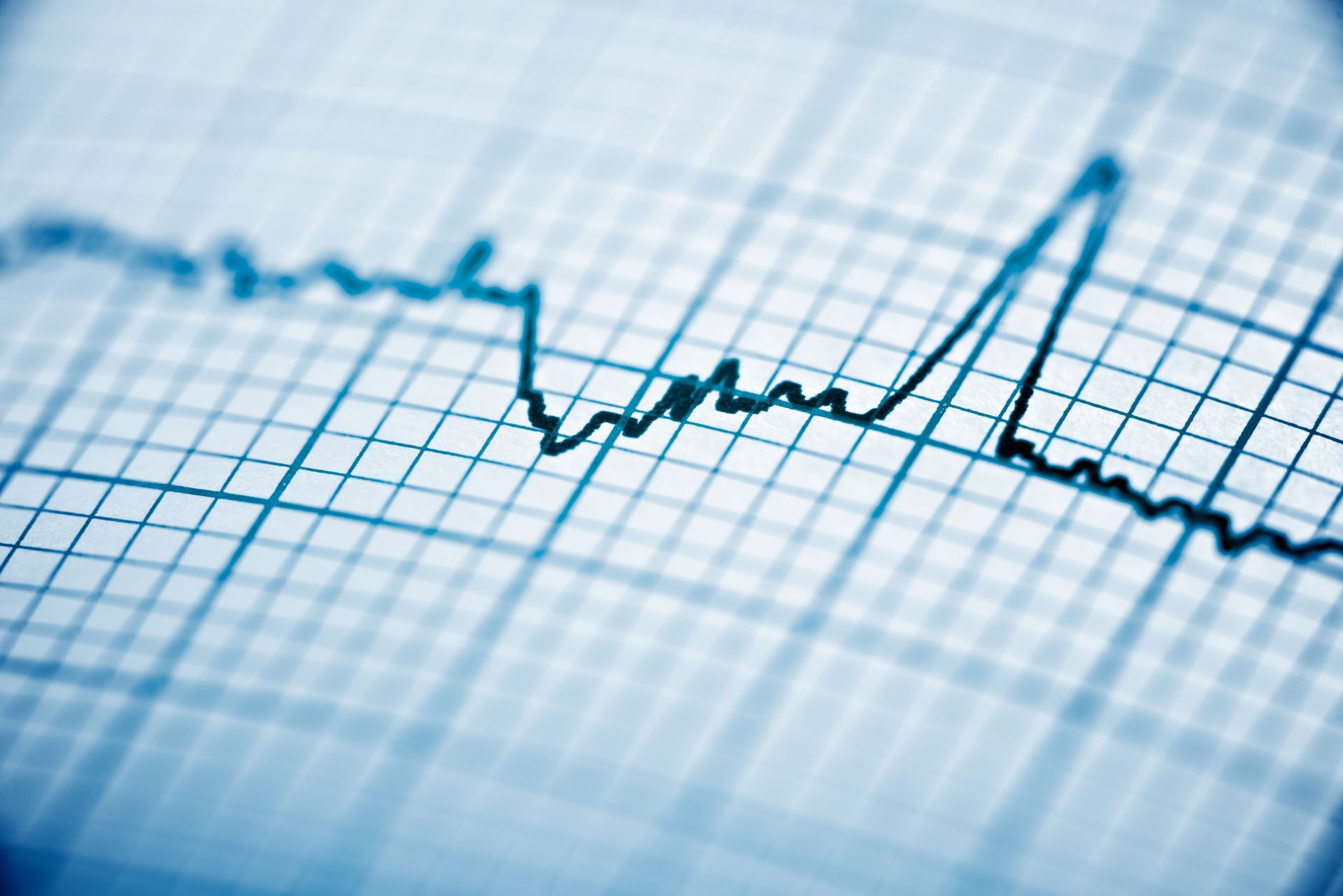
Not every episode of a racing heart indicates an underlying rhythm disorder. However, recurring palpitations, dizziness, shortness of breath, or unexplained fatigue should not automatically be attributed to anxiety. A cardiologist can use tools such as an electrocardiogram (ECG or EKG) and ambulatory heart monitoring to investigate unusual rhythms. A vein doctor may address related concerns involving the venous system when symptoms or medical history suggest a need for vascular evaluation.
How Stress and Circulation Affect Overall Vascular Health
Arteries and veins perform different but equally important jobs within the circulatory system. Arteries carry blood away from the heart, while veins return blood toward it. Although chronic stress is more directly associated with changes in blood pressure and arterial function, its effects can also influence habits and conditions that affect overall circulation.
For example, prolonged stress may contribute to inactivity, poor sleep, and unhealthy eating patterns. Spending long periods sitting without movement can make it harder for blood to circulate efficiently through the legs. This may contribute to swelling or discomfort, particularly in people who already have venous insufficiency or other circulation concerns.
Venous thromboembolism (VTE), which includes deep vein thrombosis and pulmonary embolism, is another important circulatory health concern. According to the CDC, up to 900,000 people in the U.S. are affected by venous thromboembolism each year. Although chronic stress should not be considered a direct cause of VTE, lifestyle factors associated with prolonged stress may overlap with certain circulation-related risk factors.
Recognizing changes in the legs, such as unexplained swelling, tenderness, warmth, or discoloration, is important. A vein doctor can evaluate symptoms that may indicate an underlying venous condition and determine whether further testing or treatment is needed. Sudden shortness of breath, chest pain, or coughing up blood may indicate a pulmonary embolism and require immediate emergency medical attention.
Signs of Cardiovascular Strain
Chronic stress does not always produce obvious physical symptoms, which can make its effects difficult to recognize. Some people experience frequent headaches, fatigue, muscle tension, or difficulty sleeping without realizing that ongoing stress may also be affecting their cardiovascular health.
Certain symptoms deserve particular attention. Repeated episodes of a racing or irregular heartbeat, chest discomfort, unusual breathlessness, and dizziness may indicate a cardiovascular issue. Persistent high blood pressure is another concern because it can contribute to damage involving the heart and blood vessels over time.
Leg-related symptoms should also be evaluated, especially when they involve persistent swelling, heaviness, visible vein changes, or discomfort that worsens after standing. These symptoms can have several possible causes, including venous insufficiency. Consulting a vein doctor can help determine whether a venous condition is contributing to the problem.
Keeping track of symptoms, their frequency, and the situations in which they occur can provide useful information during a medical appointment. Patients should also share relevant details about sleep, stress levels, medications, and family medical history. This information helps healthcare professionals evaluate potential risk factors and recommend appropriate next steps.
Chronic daily stress can affect the cardiovascular system in several ways, from repeated increases in blood pressure to changes in arterial flexibility and heart rhythm regulation. Although stress alone does not determine whether someone will develop a cardiovascular or venous condition, its effects can overlap with other risk factors and contribute to additional strain on the body.
Recognizing symptoms, developing healthier daily habits, and seeking appropriate medical guidance are important steps toward protecting cardiovascular health. Advanced Cardiology and Vein Center of South Jersey can help patients address concerns involving their heart and vascular health. Whether someone needs a cardiovascular evaluation or guidance from a
vein doctor, professional care can provide a clearer understanding of their circulation and available treatment options. Contact us today for more information.





Share On: