
Learn Proper and Safe Methods to Reduce Blood Pressure
Maintaining healthy blood pressure is one of the most important steps you can take to protect your long-term well-being. High blood pressure affects millions of people and often worsens without noticeable symptoms, making it essential to understand proper and safe strategies for reducing it. Many individuals are unsure where to begin, especially when trying to balance medication, lifestyle adjustments, and monitoring options. Learning how to lower blood pressure safely allows you to take control of your health and prevent serious complications later in life. This guide explores proven, effective approaches to lowering blood pressure and highlights several diagnostic and monitoring services that support better cardiovascular wellness.
Understanding the Risks of High Blood Pressure
High blood pressure places significant strain on your entire cardiovascular system, increasing the likelihood of problems such as heart disease and stroke. According to MedCentral, nearly 47% of US adults have high blood pressure, a major risk factor for heart disease. This staggering percentage shows why learning proper management techniques is essential for people of all ages. Blood pressure tends to rise slowly over time, so early detection and proactive care are key. Understanding these risks helps individuals recognize why professional guidance and regular assessments are so valuable.
Working with a cardiologist gives you access to personalized insight that you cannot get from general information alone. These medical professionals evaluate your overall heart health, family history, symptoms, and risk factors to create a tailored plan. A cardiologist can also determine whether your blood pressure is influenced by underlying conditions, stress, or lifestyle choices. By consulting a specialist, you ensure that your approach is both effective and safe for your unique needs. Professional guidance ultimately prevents guesswork and helps you adopt strategies with proven results.
Simple lifestyle changes often play a powerful role in lowering blood pressure naturally. Improving your diet, moving your body regularly, and reducing stress levels all help your heart function more efficiently. Many people find that cutting down on sodium, staying hydrated, and choosing whole foods provide noticeable improvements over time. When combined with regular monitoring, lifestyle adjustments can help you manage your blood pressure without relying solely on medication. These habits also support better long-term wellness and cardiovascular strength.
Exploring Diagnostic Tools That Support Blood Pressure Management
A cardiologist can recommend several diagnostic tests to help assess how your heart and blood vessels are functioning. Exercise stress testing, nuclear stress testing, pharmacological stress testing, and stress echocardiograms all reveal how your heart performs under various conditions. Additional tests, such as echocardiograms, transesophageal echocardiograms, carotid doppler ultrasounds, arterial dopplers, and abdominal aortic ultrasounds, offer detailed views of your cardiovascular system. These tools allow your healthcare provider to spot early signs of heart disease or circulatory issues. Diagnostic testing not only supports accurate diagnosis but also helps determine the safest path toward lowering your blood pressure.
A heart-healthy diet is one of the easiest and safest ways to reduce blood pressure naturally. Reducing processed foods while increasing fruits, vegetables, and whole grains helps regulate blood flow and reduce strain on your arteries. Many recommendations include adding potassium-rich foods like bananas and spinach to balance sodium levels. Consistency in diet habits is more effective than temporary restrictions, making sustainable changes essential. Over time, nutritious eating supports gradual and lasting improvements in blood pressure and overall heart function.
Routine physical activity helps strengthen your heart and improves the way your body circulates blood. A cardiologist may suggest moderate exercises such as brisk walking, cycling, swimming, or low-impact strength training. These activities help lower blood pressure by improving cardiovascular efficiency and reducing stress. Even small increases in daily movement can make a difference, especially for adults with sedentary lifestyles. Regular exercise also improves mood and energy levels, creating a positive cycle of better wellness habits.
Considering Additional Cardiovascular Testing
When managing blood pressure, additional tests may be necessary to detect issues that are not visible through routine exams. Renal artery ultrasounds, venous doppler ultrasounds, venous insufficiency testing, Raynaud's testing, MCT monitors, and neuropathy testing all provide deeper insight. These evaluations help determine whether circulation problems or nerve-related complications are contributing to elevated blood pressure. A specialist can interpret these results and identify the most effective treatment strategies. Comprehensive testing ensures that nothing is overlooked in your care plan.
Stress is a major contributor to elevated blood pressure, making relaxation essential for safe management. Spending time outdoors, practicing breathing techniques, and engaging in enjoyable activities can significantly lower daily stress levels. A cardiologist may also recommend structured stress-relief methods such as meditation or guided breathing programs. Reducing stress improves not only blood pressure but also sleep quality and mental well-being. Building calming activities into your daily routine supports lasting cardiovascular health.
Sleep quality directly affects blood pressure and overall cardiovascular health. Poor sleep or inconsistent sleep schedules can increase strain on your heart and nervous system. To support patients, many cardiology practices offer sleep studies that identify underlying issues such as sleep apnea. A specialist can use the results to recommend appropriate treatment or lifestyle adjustments. Prioritizing sleep helps your body recover and regulate stress hormones that influence blood pressure.
Monitoring Your Blood Pressure Regularly
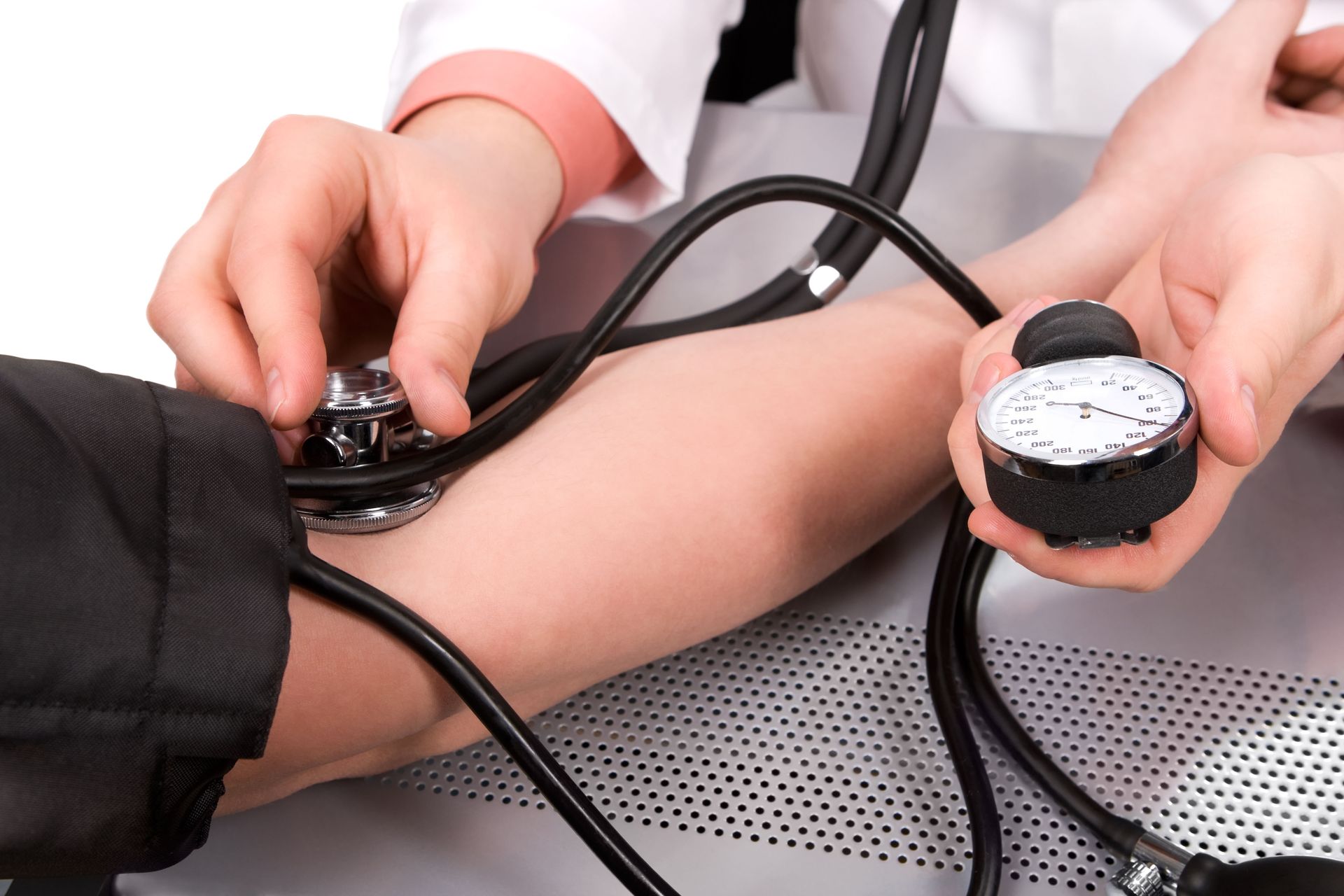
Regular monitoring is crucial for tracking progress and identifying changes before they become serious. Remote blood pressure monitoring allows your healthcare team to review your readings without requiring frequent office visits. A Heart specialist can use this data to adjust treatment recommendations quickly and safely. Monitoring daily readings also helps you understand how diet, stress, activity, and medication affect your blood pressure. Consistent tracking empowers you to make informed decisions about your health.
While many people successfully lower blood pressure through lifestyle changes, others need medication for safe and effective results. A cardiologist determines which medication type and dosage will work best for your condition. This may include treatments that relax blood vessels, reduce fluid retention, or help your heart beat more efficiently. The goal is always to balance medication with lifestyle adjustments for long-term success. Following your provider’s instructions ensures safe and steady improvement.
Heart rhythm irregularities can sometimes contribute to high blood pressure or indicate additional cardiovascular risks. Holter monitors, event monitors, and pacemaker and defibrillator monitoring help track electrical activity in the heart. A cardiologist evaluates this information to detect arrhythmias that may require treatment or adjustments. Early detection of rhythm issues supports safer blood pressure management and reduces the risk of complications. Integrating rhythm monitoring with blood pressure strategies helps build a more complete picture of heart health.
Staying Consistent With Follow-Up Appointments
Regular check-ins with your healthcare provider ensure that your blood pressure management plan stays on track. A Heart specialist can review your progress, address concerns, and make adjustments based on your most recent test results. These follow-ups are especially important if you have changed your medication, lifestyle, or exercise routine. Staying consistent also allows early detection of new issues, helping you avoid complications. Ongoing care builds long-term stability and confidence in your health plan.
When managing blood pressure, easy access to care can make a significant difference. Many cardiology clinics offer Same-Day Appointments Available and Walk-Ins Welcome to assist patients quickly. In-person and Telehealth Appointments also ensure flexibility for busy schedules or mobility challenges. A cardiologist can support you through various appointment types, making it easier to maintain regular care. With these options, you can manage your blood pressure without disrupting your daily responsibilities.
Safe and proper blood pressure reduction requires a combination of informed lifestyle changes, regular monitoring, and professional support. By understanding your risks, staying consistent with healthy habits, and using advanced diagnostic and monitoring tools, you can protect your heart and prevent long-term complications. For expert guidance and comprehensive cardiovascular care, contact Advanced Cardiology and Vein Center of South Jersey. For more information, contact us today!








Share On: